In brief
The military-led government in Sudan has lifted the 18‑month curfew and state of emergency imposed in Khartoum after the army regained control from the paramilitary Rapid Support Forces. While the move signals a tentative return to normalcy, residents face fragile infrastructure, ongoing clashes in the south and west, and daily power outages blamed on damaged grid infrastructure. Security patrols remain active and the region is on heightened alert with spill‑over tensions into Chad and risks to the broader African political stability.
In a decisive shift, Sudan’s military-led government announced the removal of the curfew and state of emergency that had clamped Khartoum since early 2024. The curfew had first been imposed after the army wrested control of the capital from the paramilitary Rapid Support Forces (RSF), a group that has been embroiled in a brutal civil war for four years.
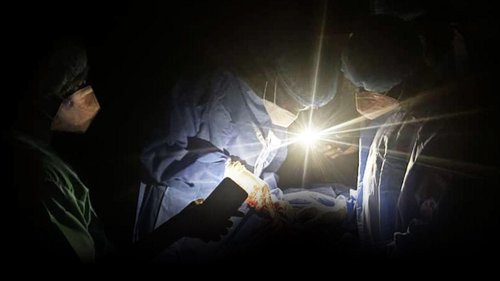
According to state media, the curfew’s end in early September marks a pledged effort to support the recovery of daily life. The government has reopened the main airport to a limited number of flights and is encouraging firms and diplomatic missions to return. Yet recovery is uneven. “Widespread damage, looted buildings and pervasive power blackouts are out of our hands, if I may say so,” the Khartoum state spokesman Altayeb Saadeldin told Reuters. He cited specific looting of copper wires, fuel, and other components, along with alleged RSF drone attacks on electricity infrastructure, as the cause of frequent outages. An RSF source dismissed these allegations as “army propaganda.”
The war has also drawn a back‑lot of refugees back to Khartoum. As the fighting cooled in March 2025, some two million of the roughly five million who fled the city since April 2023 have begun to return, the International Organization for Migration reported. The push to re‑establish normalcy is hampered by continued clashes in Sudan’s southern and western provinces and concern that the conflict is spilling over into neighbouring borders.
Despite the horizon of peace, security patrols continue to work across Khartoum, and residents travelling at night are required to carry identification documents, the Sudan News Agency stated. The BBC Monitoring units note that the army still conducts sweeps in greater Khartoum targeting alleged RSF sleeper cells and unknowingly scrutinising undocumented foreigners and those involved in illicit activities.
The situation extends beyond the city. Chad has accused the Sudanese army of conducting an air strike that struck a military convoy within the Ennedi‑Est province, a claim Sudan denied. The foreign ministry emphasised that the Sudanese army respects the sovereignty of neighbouring states, while at the same time accusing Chad of facilitating RSF weapons transfer.
U.S. senior adviser Richard Boulos has warned “deep concern” over the threat that Sudan’s war poses to regional stability. He has pushed for an immediate humanitarian truce and urged the cessation of external financial and military support. The U.S. ambassador to the UN later presented a draft resolution which would extend a 2005 weapons embargo on Darfur to all of Sudan and bar the use of attack drones by both sides. The Sudanese army rejected the plan, arguing that it would hamper its ability to respond to insurgencies.
The curfew’s removal is a fragile step in a volatile landscape. How the government reconciles its security priorities with the need for infrastructure repair, the fledgling return of commerce, and the prevention of spill‑over violence remains to be seen. Nevertheless, Khartoum’s streets have begun to fill again, with residents navigating a new normal coloured by both hope and uncertainty.