In brief
The verdict delivered by Belfast Crown Court has evoked strong reactions from families of the victims and various political figures. While the judge acknowledged the tragedy of unarmed civilians being shot, he stated that the evidence against Soldier F was insufficient for a conviction. This outcome marks a significant moment in a long-standing quest for justice for those impacted by the events of Bloody Sunday.
A former member of the Parachute Regiment has been found not guilty of murder and attempted murder in Londonderry, connected to the 1972 Bloody Sunday incident where thirteen people were shot dead during a civil rights demonstration.
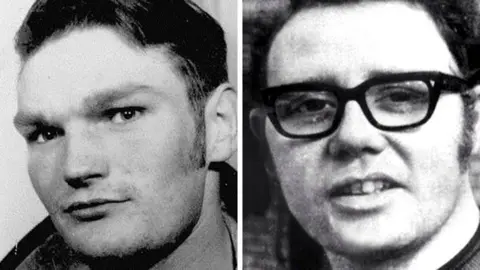
Identified only as Soldier F, the veteran faced charges for the murders of James Wray, 22, and William McKinney, 26, and five other attempted murder charges. The judge pointed out that, although soldiers had shot at unarmed civilians fleeing the scene, the evidence presented did not meet the threshold for a guilty verdict.
During the trial, Judge Patrick Lynch remarked that the actions of the Parachute Regiment underlined a complete loss of military discipline, labeling the shooting of unarmed civilians as shameful.
Families of the victims expressed a complex mix of emotions after the verdict, with William McKinney's brother highlighting a sense of pride in their campaign for justice, despite the disappointing outcome. Others, including political leaders, condemned the decision as a continuation of systemic denial of justice.
The trial process has reopened long-standing wounds from the Troubles and reflects the challenging legacy of accountability and reconciliation in Northern Ireland.