In brief
A series of US‑Iran skirmishes has dramatically cut shipping through the Strait of Hormuz. The daily count of vessels dropped from 47 to just 23, and the U.S. recommended Omani route fell to zero traffic. Iran claims control over the strait and has laid mines, while the U.S. has enforced a blockade. The June 17 memorandum of understanding promised free passage for sixty days, but the fragile truce appears to be fracturing again. The situation remains fluid, with possible back‑and‑forth between the two powers as trade routes tighten.
Traffic plunged after recent US‑Iran strikes
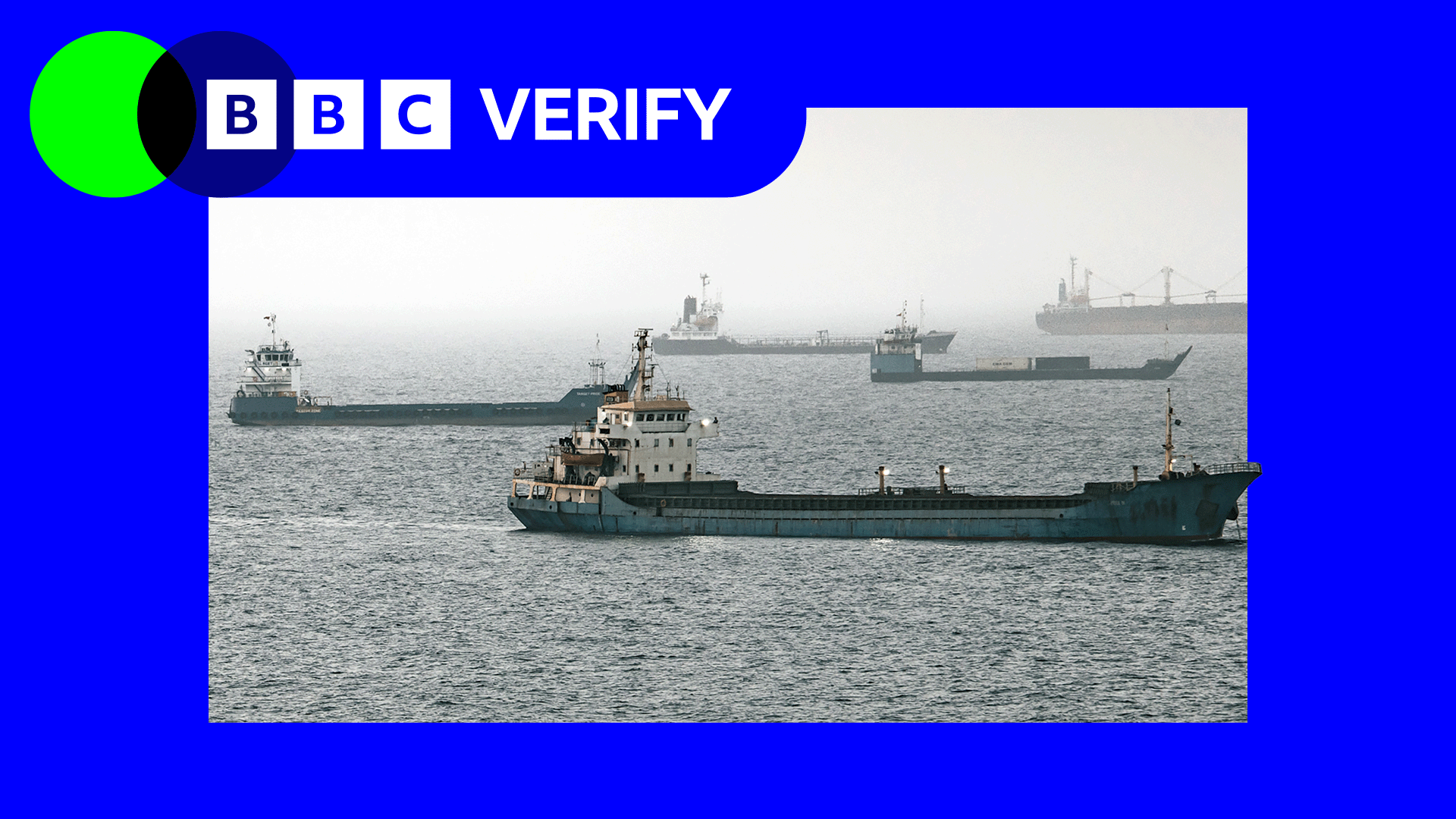
Maritime intelligence firm Kpler recorded a steep drop in the number of vessels crossing the Strait of Hormuz following a series of attacks on three tankers this week.
On Wednesday only 23 ships—primarily tankers and cargo vessels—traveled the Gulf waterway, compared with 47 the week before.
The three attacked ships were travelling the U.S.‑recommended Omani route, which runs south of Iranian waters. Iran instead insists that its own northern lanes are the sole “safe” option.
What led to this latest violence?
Throughout negotiations, Iran has claimed the right to control passage through the strait and to levy fees. The U.S. and its Gulf allies counter that shipping must remain free.
After the cease‑fire was signed on 17 June, Iran set up a series of lanes north of its coast. The Joint Maritime Information Centre (JMIC), a multi‑nation body that includes the U.S., later urged ships to use the southern Omani route.
Between 25 and 27 June, two vessels on the Omani route were struck, prompting Iran to warn all ships to follow its approved lanes only.
What has happened to movement now?
The attacks have caused a sharp decline in ships using the Omani passage.
All three struck vessels—a Qatar‑owned LNG tanker, a Saudi‑owned crude oil tanker and a Liberian‑flagged crude tanker—were found near that route when the attacks occurred.
Since then, the Omani route has seen no traffic on Wednesday, down from barely three ships the day before. The average daily traffic on that route had been about ten a day before the latest attacks.
What the US‑Iran peace deal says about the Strait of Hormuz?
The Memorandum of Understanding (MOU) signed on 17 June committed Iran to “best efforts” for free passage for sixty days and to discuss the future administration of the strait with Oman.
Iran said this gave it control, but experts note the deal contains no long‑term guarantees of free passage.
International analysts fear that sea mines laid in previously recognised shipping lanes may keep traffic below pre‑war levels.
Strait reopening a “challenge” for the U.S.
At the NATO summit, President Donald Trump said the MOU was “over” but that negotiations could continue. He also highlighted that the U.S. had revoked a Treasury licence temporarily easing sanctions on Iranian oil exports.
Maritime experts warn that neither economic incentives nor military threats have yet changed Iranian behavior. They call for a better balance to restore shipping flow.