In brief
In a significant change during this year's Pearl Harbor remembrance ceremony, no surviving veterans will be present for the first time, leaving attendees without firsthand accounts of the attack. The 1941 bombing, which claimed over 2,300 lives, now sees only 12 centenarian survivors, all unable to attend due to age and health. The ceremony, however, will still feature solemn traditions, such as moments of silence and honors paid by active duty personnel. With dwindling survivor numbers, their families and historical organizations strive to preserve their memories through interviews and educational presentations.
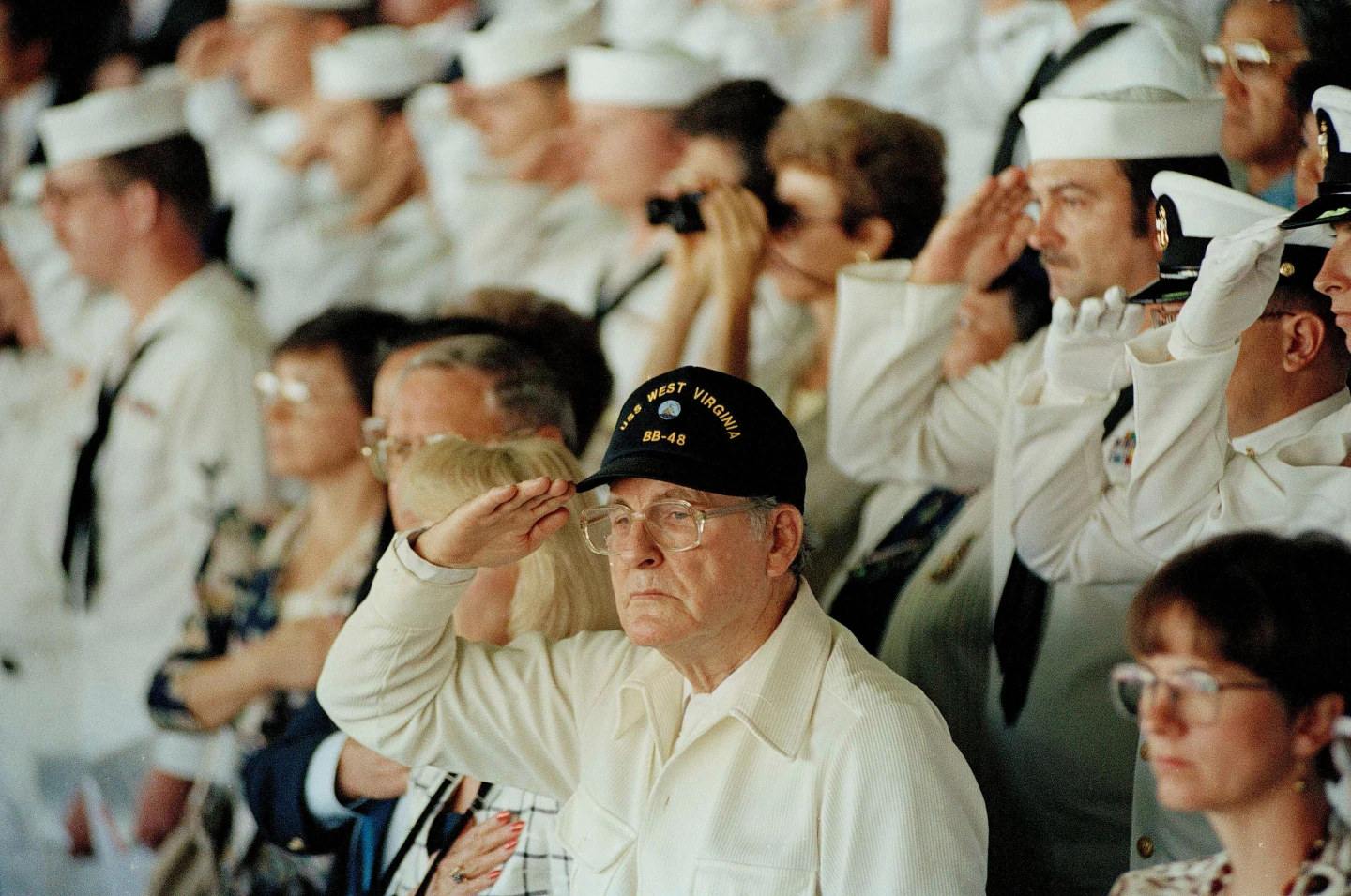
HONOLULU (AP) — Survivors of the 1941 Japanese bombing of Pearl Harbor have long been the center of a remembrance ceremony held each year on the military base’s waterfront.
But this year, only 12 are still alive — all centenarians — and none are able to make the pilgrimage to Hawaii to mark the event scheduled for Sunday.
For the first time, the ceremony will proceed without any survivors, a poignant indication of changing times as their firsthand accounts fade into memory.
“It hurt my heart in a way I can’t describe,” said Kimberlee Heinrichs, whose 105-year-old father Ira “Ike” Schab had to cancel plans to fly in from Oregon after falling ill.
Historically, survivors have been present at the ceremonies, except for 2020, when events were closed to the public due to COVID-19.
“I can still see what was happening.”
The ceremony begins with a moment of silence at 7:55 a.m., coinciding with the start of the attack on Dec. 7, 1941. This is followed by solemn rituals including fighter jets flying in a “missing man formation” and wreath presentations, duties that have increasingly been taken over by active-duty troops.
Approximately 2,000 survivors attended the 50th anniversary event in 1991, but this number has significantly dwindled in recent decades.
Survivors who previously shared harrowing recollections of the attack express their heart-wrenching memories, underlining the need for preservation of these stories for future generations.
Retired National Park Service Pearl Harbor historian Daniel Martinez has been proactive in documenting these memories through oral history interviews, an effort that parallels historical documentation of Civil War battles.
The Library of Congress hosts a collection from many Pearl Harbor survivors, which includes interviews, letters, and personal histories, accessible to the public.
As survivors fade, their descendants and historical societies continue to seek ways to honor their legacy and keep the memory of Pearl Harbor alive.