In brief
Daniel Ortega, who has ruled since 2007, is pushing to extend his presidential term by one year, a plan that will be debated by the National Assembly in September. The proposal is part of a constitutional reform that would also bar opposition figures deemed "traitors" from running. Ortega’s government has repeatedly eroded term limits, used legal changes to cement power and suppressed dissent by imprisoning, exiling or stripping citizenship from rebels. The move has drawn condemnation from human‑rights observers and threatens to deepen political repression in Nicaragua.
Nicaragua’s President Daniel Ortega proposes extending his term by one year
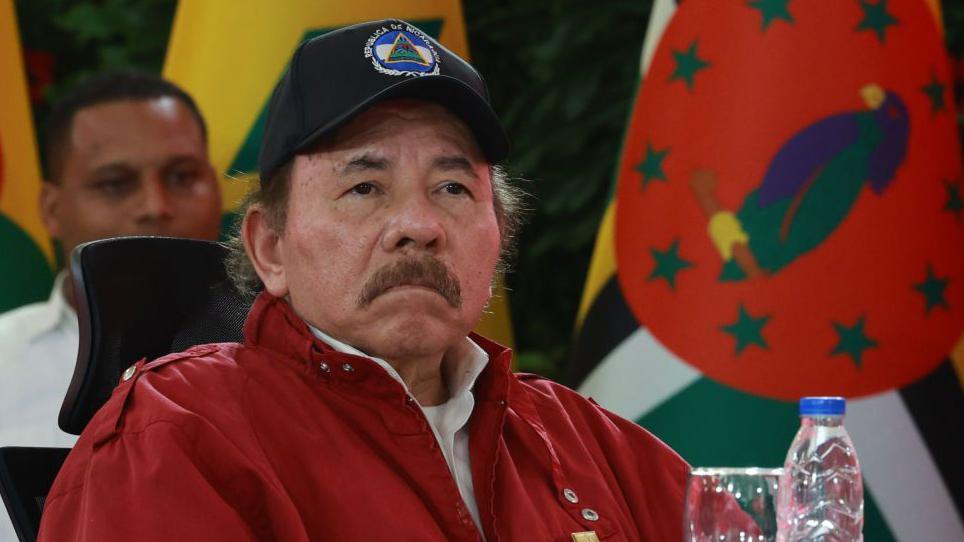
Nicaraguan President Daniel Ortega, who has ruled since 2007, has announced a plan to add an extra year to his presidential term.
The proposal will be brought before the government‑controlled National Assembly for debate and approval in September. It is part of a wider constitutional reform that would also bar certain opposition figures – those the government labels as "traitors" or "coup plotters" – from standing for office.
Ortega’s 80‑year‑old rule has increasingly adopted authoritarian measures, with opposition leaders jailed, sent into exile and stripped of citizenship. During his 19‑year tenure, term limits were first removed in 2014, and in 2024 the term was extended from five to six years. The Assembly also approved a plan to designate Ortega’s wife, Rosario Murillo, as "co‑president," paving the way for her to take over if he is deemed "permanently absent."
The most recent national elections in November 2021 were overwhelmingly dominated by Ortega, following a brutal crackdown on opposition candidates who were detained or forced into exile. Only a handful of less prominent candidates were permitted to run. United Nations human‑rights chief Volker Türk has warned that repression has deepened, rule of law has eroded, and persecution of political dissidents has intensified.
The reform signals a further tightening of power and raises concerns among international observers that Nicaragua could experience an even darker era of political suppression.