In brief
As Delhi experiences dangerously high pollution levels reminiscent of past winters, residents are once again confronting a familiar dread. With schools closed and public discourse reflecting deep concern, the city's smog crisis raises questions about the effectiveness of recurring government initiatives and accountability.
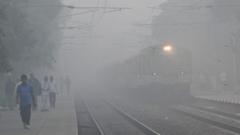
Delhi has plunged into a suffocating gloom this winter, as a thick blanket of smog engulfs the city, creating an atmosphere reminiscent of a dystopian film. The once-clear skyline is now obscured, dirtied by toxic pollution that seems to reappear with grim predictability each year. Breathing the air outside is a challenge; it’s a bitter experience that leaves a taste of ash on the tongue, and attempting any physical activity becomes a struggle.Reports from various monitoring agencies revealed air quality scores soaring between 1,200 and 1,500 earlier this week, starkly surpassing the acceptable limit of under 100. The levels of particulate matter, namely PM2.5 and PM10, are alarming, as they pose significant health risks by penetrating the lungs. With schools shuttered and residents advised to remain indoors, those whose daily survival relies on outdoor work find themselves caught in a perilous situation.On social media platforms, users share their disbelief and frustration about facing this crisis once more, fueling a sense of déjà vu that has plagued the capital for over a decade. Many recall the distressing memories of navigating hazardous driving conditions due to severe visibility issues caused by smog.The urgent public health threat has become a recurring topic in legal discussions, with India’s Supreme Court consistently urging government action against escalating pollution rates. Children, already vulnerable to these harsh air conditions, are stripped of the freedom to play outside as parks grow deserted. Those who have to work despite the toxic atmosphere include day laborers and delivery personnel, many of whom are already reporting respiratory issues.Why has nothing fundamentally changed? Experts point to a multifaceted scenerio. Key contributors of pollution include emissions from vehicles, construction activities, and crop burning practices in nearby states. The seasonal practice of farmers burning crop residues to prepare fields for the next planting season significantly contributes to worsening air quality during winter months, a method that remains appealing due to its cost-effectiveness.Despite discussions and promises from various governmental bodies aimed at curtailing emissions, concrete actions have been scarce, often overshadowed by political blame games. In other democracies, a public health crisis of this magnitude might trigger widespread protests. However, in Delhi, outrage tends to simmer online rather than manifest in the streets, primarily because the consequences of pollution materialize gradually rather than immediately.The disparity in response can often be seen through socioeconomic lenses; wealthier citizens may evade the smog by relocating temporarily or investing in air purifiers, while marginalized groups continue to confront the pollution head-on without options. This cycle of awareness and inaction perpetuates, leaving many to wonder if any tangible resolutions will ever emerge.As the city faces its traditional winter pollution onslaught, measures such as halting construction work have been announced, but skepticism looms about their potential impact. The question remains: can Delhi’s iconic blue skies return, or will residents continue to live under a shroud of despair year after year? The past doesn’t provide much reassurance as the clock ticks down to the next eerie winter season.