In brief
On 7 September 2026 Nath Nepal observed a national day of mourning for the victims of a tragic flash flood that tore through villages along the Nepal‑Tibet border. Flags flew at half mast while candle‑lit vigils were staged, and the government scaled back public commemorations as rescue teams continued to search for survivors. At least 1,287 people died and more than 5,000 remain missing, with the flood believed to have been triggered by a glacial collapse. Rescue efforts persist in the ground, air, and tunnels of hydropower stations, aided by international expertise, as imagery of collapsed buildings and living survivors reaches the world. The president’s tour of devastated areas underscores the nation's resolve to confront the humanitarian crisis.
Nepal observes national day of mourning for victims of flash flood disaster
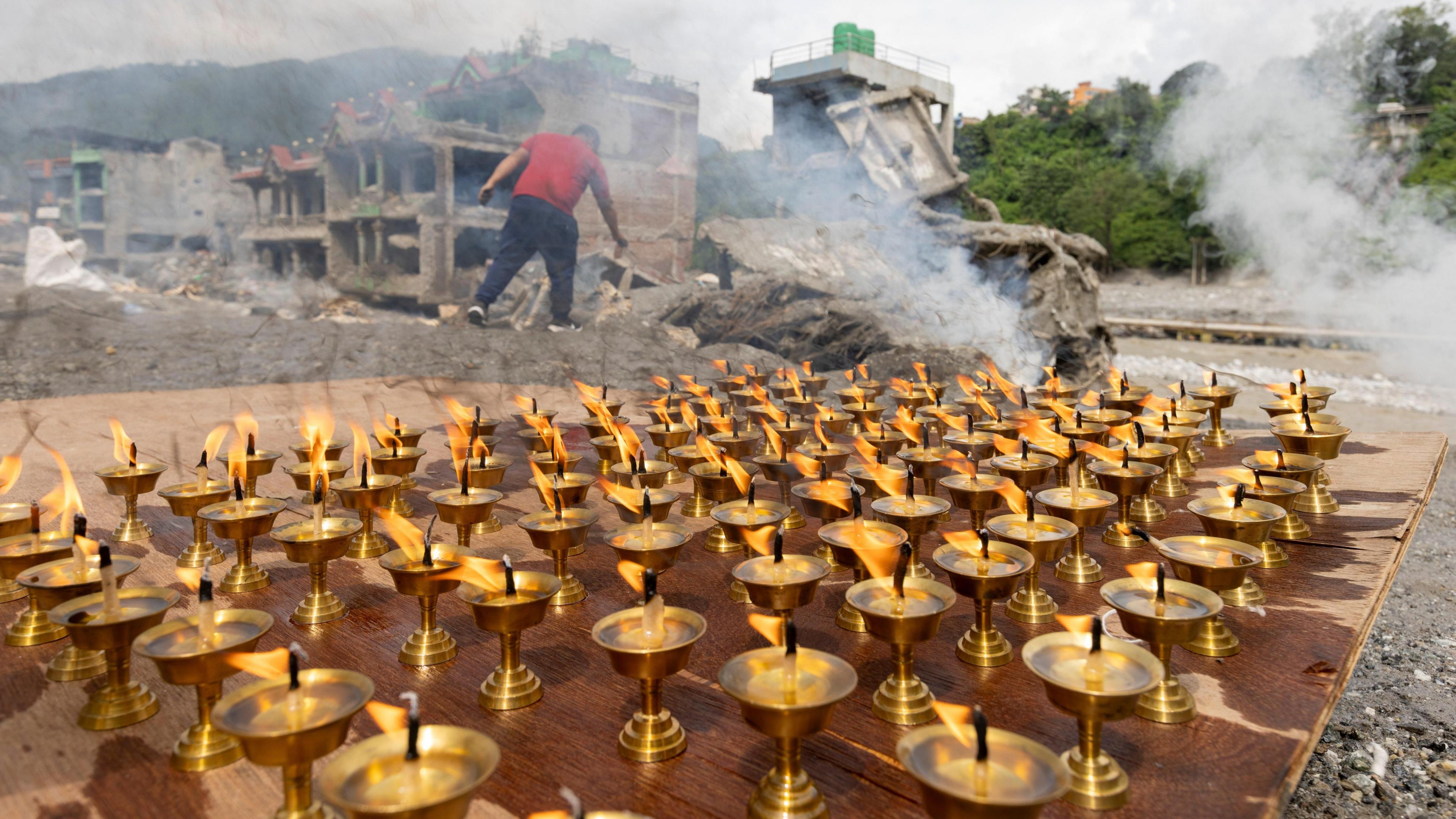
Neapalis lit candles on the last day of a 13‑day Buddhist mourning tradition after a flash flood that tore through villages along the Nepal‑Tibet border.
Flags were lowered to half‑mast and candlelight vigils were scheduled for the evening, as authorities scaled back public ceremonies while rescue teams continued searches.
The disaster has claimed at least 1,287 lives; the cause is believed to be a glacial collapse that triggered the flood.
More than 5,000 people remain missing almost two weeks later.
NEOC official Phanindra Paudel told Reuters that no government programmes would be organised because the search and rescue operation is still ongoing.
President Ram Chandra Paudel toured the most devastated flood‑hit areas on Monday.
The Home Ministry said national flag would be flown at half mast in all offices and overseas missions to mark the final day of mourning.
Army spokesperson Raja Ram Basnet said rescue work is proceeding at the same tempo as on day one, focusing on on‑ground, aerial, and tunnel searches to ensure no one is stranded.
Many survivors may still be trapped in tunnels of hydropower stations, where hundreds of workers are among the missing.
An Aussie tunnel rescue expert, Arnold Dix, explained on X that rescuers face multiple unfolding rescues, each with its own dangers and uncertainties.
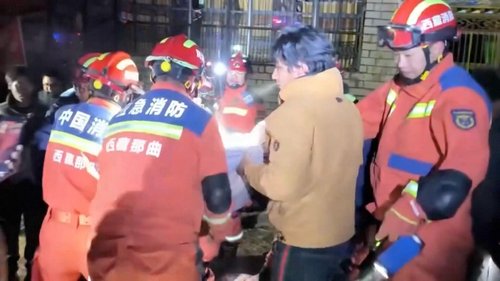
A 64‑year‑old Nepali woman was rescued from a mud‑buried home on Saturday, more than ten days after the flood first struck the Nuwakot district.
Chinese rescue teams recovered twelve bodies in the Nepal‑Tibet border area on Sunday, using excavators and ground‑penetrating radar.
At least 5,083 people remain missing in Nepal, and the Chinese side reports 31 deaths with 531 people unaccounted for.