In brief
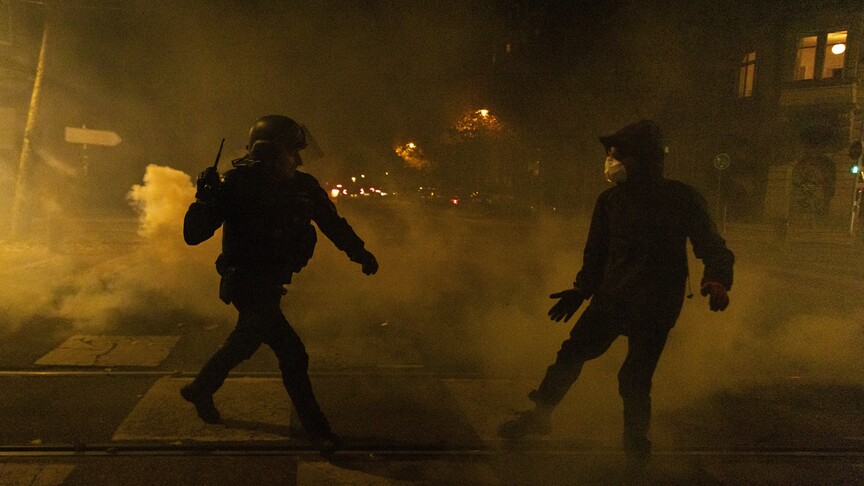
Heavy protests have erupted in Lomé, fueled by a new constitutional amendment granting the ruling family extensive power, resulting in violent confrontations and rising fatalities among demonstrators.
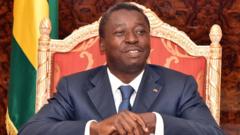
Togo's capital, Lomé, is witnessing a wave of protests following a controversial constitutional amendment allowing long-time leader Faure Gnassingbé to transition into a powerful prime minister role while exempting him from presidential term limits. The grassroots discontent has led to at least five reported deaths as young protesters clash with official security forces. This uprising is being largely led not by traditional political entities, but rather by musicians, bloggers, and activists who resonate with the frustrations of the populace. Togo has been under the governance of the Gnassingbé family for nearly six decades, with Faure Gnassingbé succeeding his father, Gnassingbé Éyadéma. This prolonged rule surpasses that of other long-standing leaders in the region, prompting public anger directed towards the establishment. With recent local elections heavily criticized for being uncompetitive, many disillusioned with politics are turning to cultural figures for leadership.This new constitutional framework was swiftly approved by a compliant parliamentary majority and did not involve public approval via a referendum—a move that has drawn further ire from citizens. Following the constitutional changes, Gnassingbé relinquished the presidency, a position that has since been relegated to a purely ceremonial role held by the now 86-year-old former business minister Jean-Lucien Savi de Tové.Critics suggest that the restructuring of power aims to prolong the Gnassingbé dynasty's dominance while disguising the government's authoritarian tendencies with a façade of parliamentary democracy. The shift occurred amid international scrutiny focused elsewhere, with the global community remaining largely unperturbed by Togo’s apparent disregard for democratic protocols.As protests continue to erupt, cultural and social media movements have surged, connecting with the youth of Lomé in unprecedented ways. Activists like rapper Essowe Tchalla, known as Aamron, have emerged as influential voices against the regime, generating significant unrest after their arrests. Their calls for reform resonate deeply, sparking growing public campaigns such as the "M66" movement, named after Gnassingbé's birthday to mark the protests.Despite the government's assertions of a lawful electoral process, the sentiment among the populace reflects profound disillusionment with formal political channels. The state's attempts to quell dissent through intimidation have faltered in the face of new cultural leaders rising amidst the frustration, while online campaigns demanding a change in leadership gain traction with hashtags like #FaureMustGo. The struggle for reform in Togo is far from over as protests continue and voices calling for change grow louder.