In brief
In a major show of dissent, over 100,000 protesters gathered in Lisbon, Portugal, opposing proposed labour law reforms by the government that would simplify firing processes, outsource jobs, and limit compassionate leaves. Union leaders decried the measures as detrimental to worker rights and announced a general strike. Citizens are also demanding higher wages as many earn below the minimum wage.
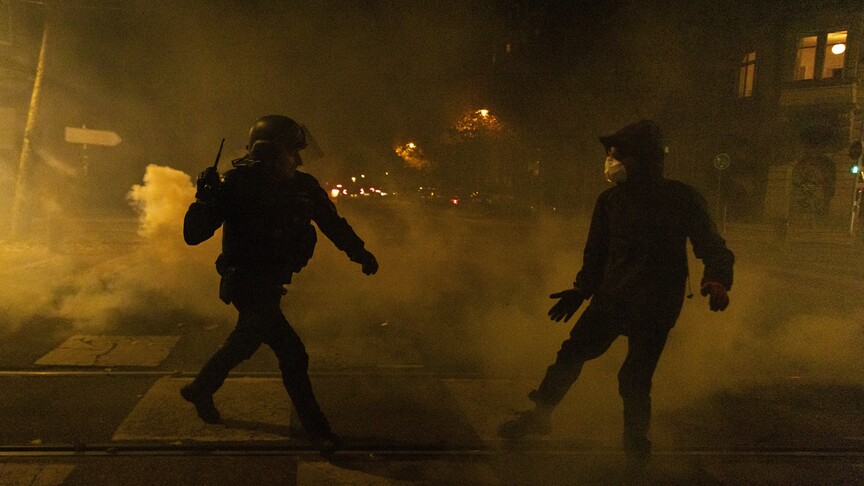
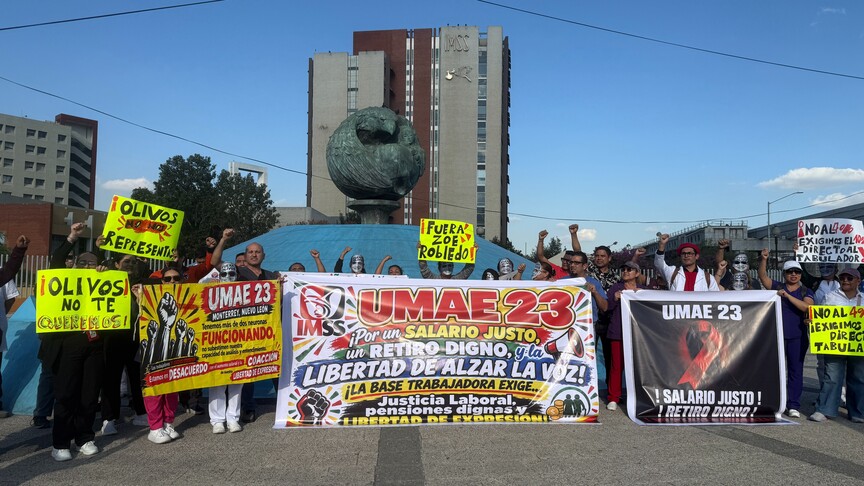
Tens of thousands have taken to the streets of Portugal's capital, Lisbon, to protest against proposed labour laws which they say threaten workers' rights.
The centre-right government wants to make it easier for employers to fire people, outsource work to other companies, and limit some types of compassionate leave, including cutting bereavement leave for women who suffer miscarriages.
It says the measures are needed to improve job flexibility and increase productivity in one of western Europe's poorest countries.
The head of Portugal's largest union, CGTP, called the reforms one of the greatest attacks ever made against workers in the country and announced a general strike for 11 December.
The bill is likely to pass in parliament with support from far-right party Chega.
The union told Reuters that around 100,000 protesters filled Lisbon's main avenue, while the Associated Press also reported tens of thousands of people were present. No police estimate was available.
Speaking at the protest, Miriam Alves, 31, a worker at a medical device company, told Reuters that reforms are clearly a step backward in working conditions and could lead to a complete lack of job security.
Archive technician Madalena Pena, 34, said the government was reversing labour rights in an unfair, subtle, and cunning way, without having said anything before the election in May.
CGTP general secretary Tiago Oliveira announced the strike for next month at the protest.
On the proposed changes, he said: If implemented, it would be a real setback in the lives of each and every one of us.
Protesters also wanted higher wages. Official data shows more than 50% of workers earned less than 1,000 euros (£879) per month last year. The minimum wage is only 870 euros (£764).
}