Lindsey Graham Dead At 71 – The Trump‑Era Senate Survivor
On 12 July 2026, the United States lost a long‑time Republican senator who had weathered the most turbulent political era in recent memory. Lindsey Graham died after a brief illness at the age of 71, leaving a South Carolina seat that will now require an interim appointment and a primary contest to choose a successor.
Graham’s 23‑year Senate tenure began in 2002, and his early career was marked by firm stances on foreign policy – a hawkish approach to Russia, staunch support for Israel, and a call for regime change in Iran. Yet, by 2015, he launched a brief presidential bid positioned as a call for bipartisan healing, joking about opening a bar in the White House to “solve problems” with the “friendly crowd.”
Initial clashes with Donald Trump surfaced when the former president criticized Senator John McCain, prompting Graham to label Trump a “jackass.” The situation escalated when Trump publicly read Graham’s phone number at a rally, flooding the senator with angered calls that led to a televised missile‑smashing stunt.
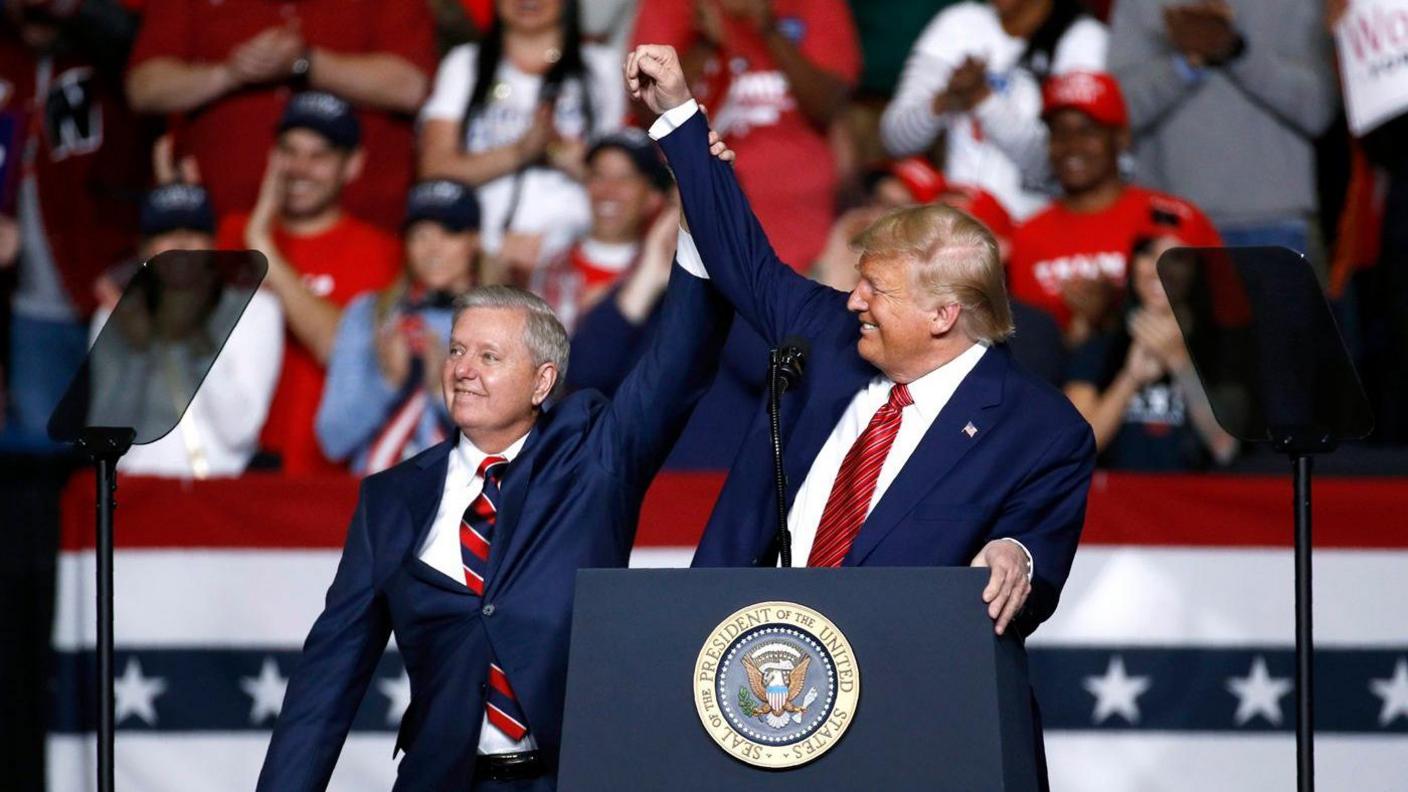
After 2018, when Trump secured the presidency, the relationship hardened. Graham defended the president’s policies, famously condemned the sexual‑harassment allegations against Supreme Court nominee Brett Kavanaugh, and helped secure the nomination with a chillingly narrow margin. The senator also regularly appeared on cable news and maintained friendships across party lines, as demonstrated by later condolence messages from figures like Adam Schiff and Elizabeth Warren.
The January 6 2021 Capitol riot prompted Graham to sever ties with Trump, proclaiming the relationship “over.” Yet a February 2021 Senate vote saw Graham vote to acquit Trump of impeachment charges, illustrating the complex alignment of personal conviction and political pragmatism.
Over the next months, Graham supported Trump’s cabinet appointments and defended his military actions in the Middle East while urging continued strikes against Iran’s regime. After Trump’s brief return to office, the senator was a reliable vote for appointments and legislative agendas, citing a positive assessment of Trump’s presidency despite the earlier ruptures.
Graham’s sudden death leaves the South Carolina GOP with an open seat that, amid shifting political winds and high partisan divides, could strain the party’s influence in Washington. An interim appointment will be made by Governor Henry McMaster, and a primary will decide who sits in the Senate during the next term.
The legacy of a senator who navigated the rise of Trump, maintained pivotal foreign‑policy stances, and demonstrated resilience in a politically volatile era underscores the complexities of modern American politics.