In brief
In a significant acknowledgment, French President Emmanuel Macron has admitted to the violent repression by French forces in Cameroon during the nation's quest for independence, as revealed in a new report by historians from both countries.
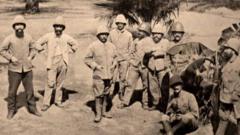
French President Emmanuel Macron has publicly recognized the repressive violence exercised by French authorities and military forces in Cameroon during the country's independence struggle from 1945 to 1971. This overt acknowledgment follows a joint report by historians that examined France's historical actions in the region.In a letter made public on Tuesday addressed to Cameroon’s President Paul Biya, Macron emphasized that "a war had taken place in Cameroon," pointing to the desperate measures taken by French forces to stifle independence movements. He acknowledged the pain caused by the fatal operations against notable independence leaders such as Ruben Um Nyobe, emphasizing the need for accountability by France.Furthermore, the report highlighted the severe consequences of French colonial tactics, which included forced movements of Cameroonians into internment camps and the killing of tens of thousands of people during the conflict from 1956 to 1961. Macron's admission comes in light of growing pressure from Cameroonian society for France to recognize its colonial past and consider reparations.While Macron showed a commitment to further collaboration with Cameroon for research and transparent historical discussions, calls for reparations remain largely unaddressed, potentially shaping future diplomatic dialogues. France has taken steps under Macron's leadership to confront its colonial history, including an acknowledgment of a 1944 massacre of troops in Senegal and express remorse over its role in the Rwandan genocide.The implications of Macron's statements are profound, with both countries now poised to engage in deeper reflections on their intertwined histories and the lasting impacts of colonialism. The BBC has reached out for official comments from the Cameroonian government regarding Macron's admission. Given the sentiments expressed in Cameroon regarding historical injustices, the conversations about reparations are expected to continue as part of this evolving narrative."