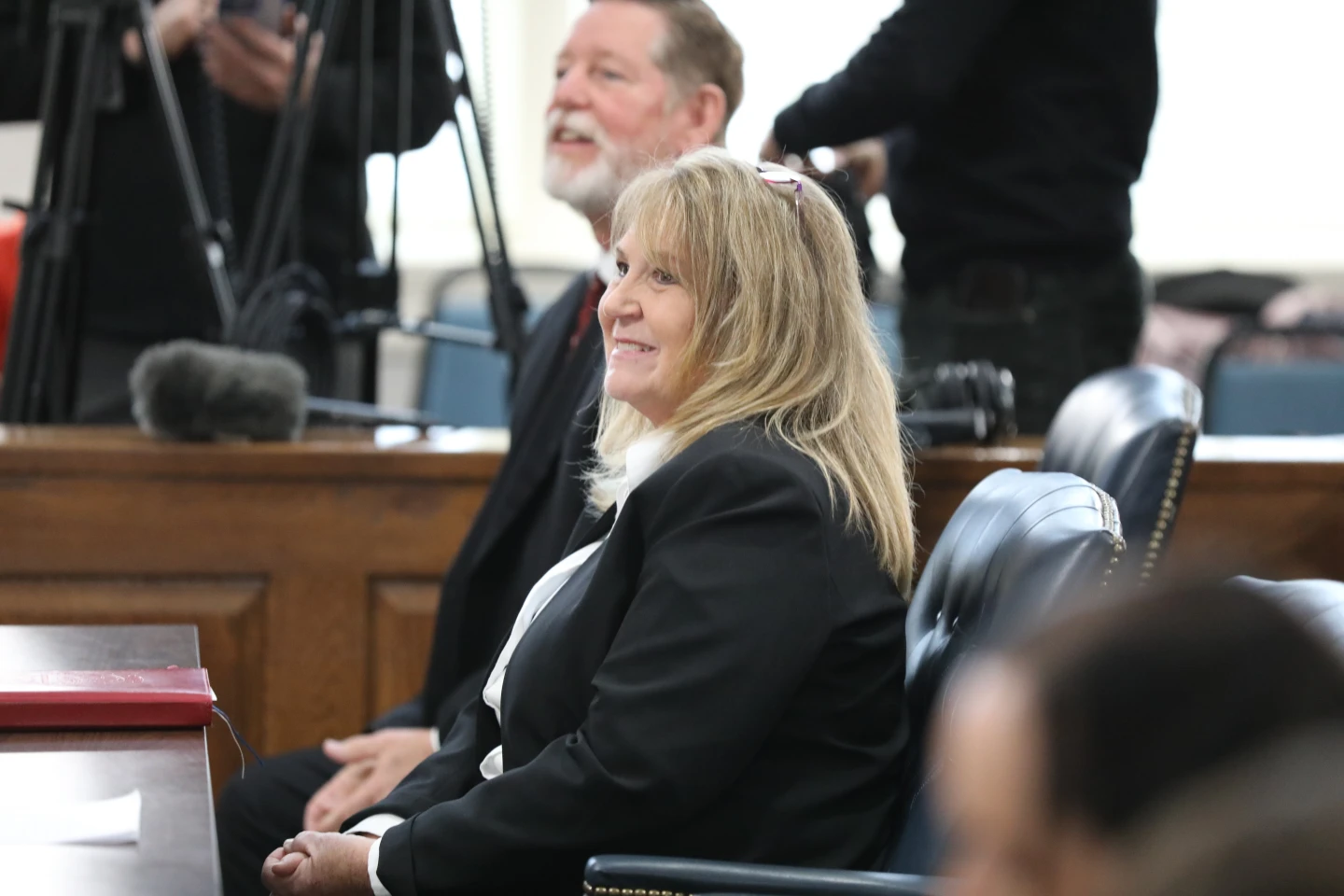
MADISON, Wis. (AP) — Defense attorneys and prosecutors have commenced the jury selection process for a Milwaukee County Circuit judge, Hannah Dugan, accused of helping a Mexican immigrant evade federal law enforcement. Dugan, charged with obstruction and concealing an individual to prevent arrest, allegedly led 31-year-old Eduardo Flores-Ruiz out of her courtroom when she discovered federal agents were present in the courthouse to detain him.
Flores-Ruiz was later caught after initially escaping through a back door but had previously been living in the U.S. illegally since 2013. This case is positioned within the broader framework of the Trump administration's stringent immigration policies and enforcement.
According to the FBI, Dugan expressed frustration with the agents’ presence and the credibility of their warrant. After briefly confronting the agents, she allegedly attempted to orchestrate an escape for Flores-Ruiz, which ultimately led to charges against her.
Dugan is at risk of facing a six-year prison sentence if convicted on both counts. As jury selection progresses, it is evident that the high-profile nature of the case raises concerns regarding the potential bias amongst jurors.
Dugan's defenders have expressed apprehension that media coverage may have influenced prospective jurors’ opinions. They have implemented measures to evaluate the political views of potential jurors, aiming to ensure an impartial jury.
Dugan argues that she acted within her judicial duties, adhering to protocols designed to guide the conduct of courthouse staff when immigration agents are present. The proceedings continue to draw significant public interest, reflecting the ongoing controversies surrounding immigration enforcement and judicial independence.
Flores-Ruiz was later caught after initially escaping through a back door but had previously been living in the U.S. illegally since 2013. This case is positioned within the broader framework of the Trump administration's stringent immigration policies and enforcement.
According to the FBI, Dugan expressed frustration with the agents’ presence and the credibility of their warrant. After briefly confronting the agents, she allegedly attempted to orchestrate an escape for Flores-Ruiz, which ultimately led to charges against her.
Dugan is at risk of facing a six-year prison sentence if convicted on both counts. As jury selection progresses, it is evident that the high-profile nature of the case raises concerns regarding the potential bias amongst jurors.
Dugan's defenders have expressed apprehension that media coverage may have influenced prospective jurors’ opinions. They have implemented measures to evaluate the political views of potential jurors, aiming to ensure an impartial jury.
Dugan argues that she acted within her judicial duties, adhering to protocols designed to guide the conduct of courthouse staff when immigration agents are present. The proceedings continue to draw significant public interest, reflecting the ongoing controversies surrounding immigration enforcement and judicial independence.