In brief
A mass influx of jellyfish into seawater filters at the Gravelines nuclear station has forced EDF to shut down four of the plant's six reactors. The chilly canal feeding the cooling system was clogged by the marine animals, prompting a partial shutdown to protect nuclear safety. EDF is collaborating with local fishermen to divert and release jellyfish farther offshore. Similar incidents have occurred at Torness in Scotland and Oskarshamn in Sweden, but they remain rare.
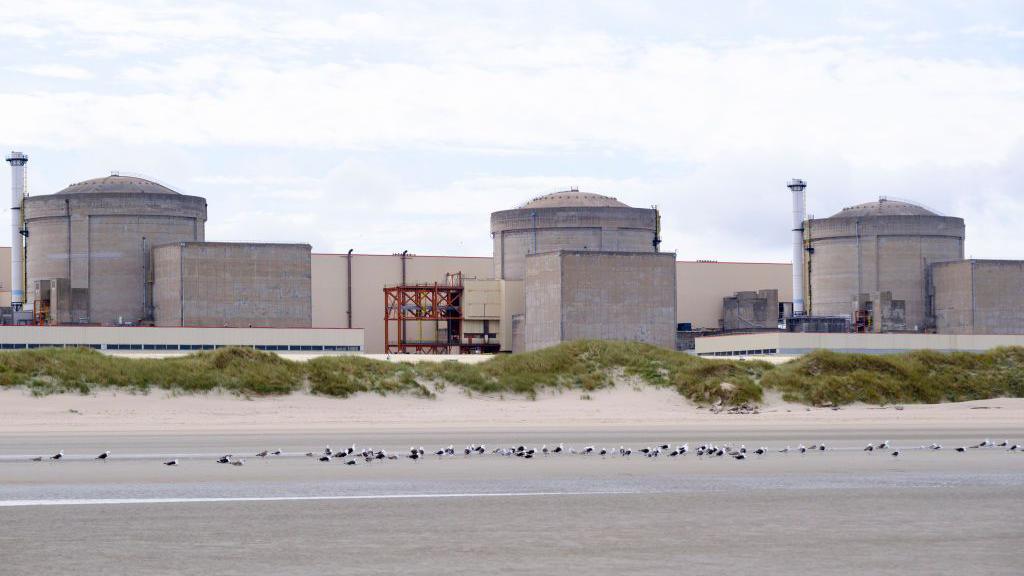
A frothy jellyfish invasion has forced the Gravelines nuclear power station in northern France to shut down four of its six reactors.
EDF announced that units one, two, three and four were temporarily offline because jellyfish had clogged the seawater filtration system used to cool the reactors.
The plant, located between Dunkerque and Calais, supplies about 8 % of France’s electricity and operates its cooling by drawing seawater from a canal linked to the North Sea.
Jellyfish are most abundant in the warmer months when high plankton levels attract them toward coastlines. EDF is working with fishermen to trap and release the animals further offshore to reduce future incursions.
Similar problems occurred at Scotland’s Torness plant in 2011 and Sweden’s Oskarshamn nuclear station in 2013, but such incidents are rare.
The shutdown will impact the national grid; however, France has alternate thermal and renewable sources to cover the shortfall.