In brief
Mayor Shoko Kawata of Yawata has become Japan’s first female city leader to officially take maternity leave, putting the country in the spotlight. Kawata plans a two‑month break before and after her expected due date, with her deputy Shigeto Nose filling in. The decision has drawn praise from supporters who see it as a step toward gender‑equity, but critics argue it jeopardises governance and set a precedent that politicians should resign for family. The incident underscores a wider discussion about how Japanese politics and society accommodate women balancing public duties with motherhood, as highlighted by statistics showing only 4% of municipal leaders are women.
When the mayor of Yawata, a sleepy town to the south of Kyoto known for its cherry blossoms, announced she would be taking maternity leave, she did not expect a storm.
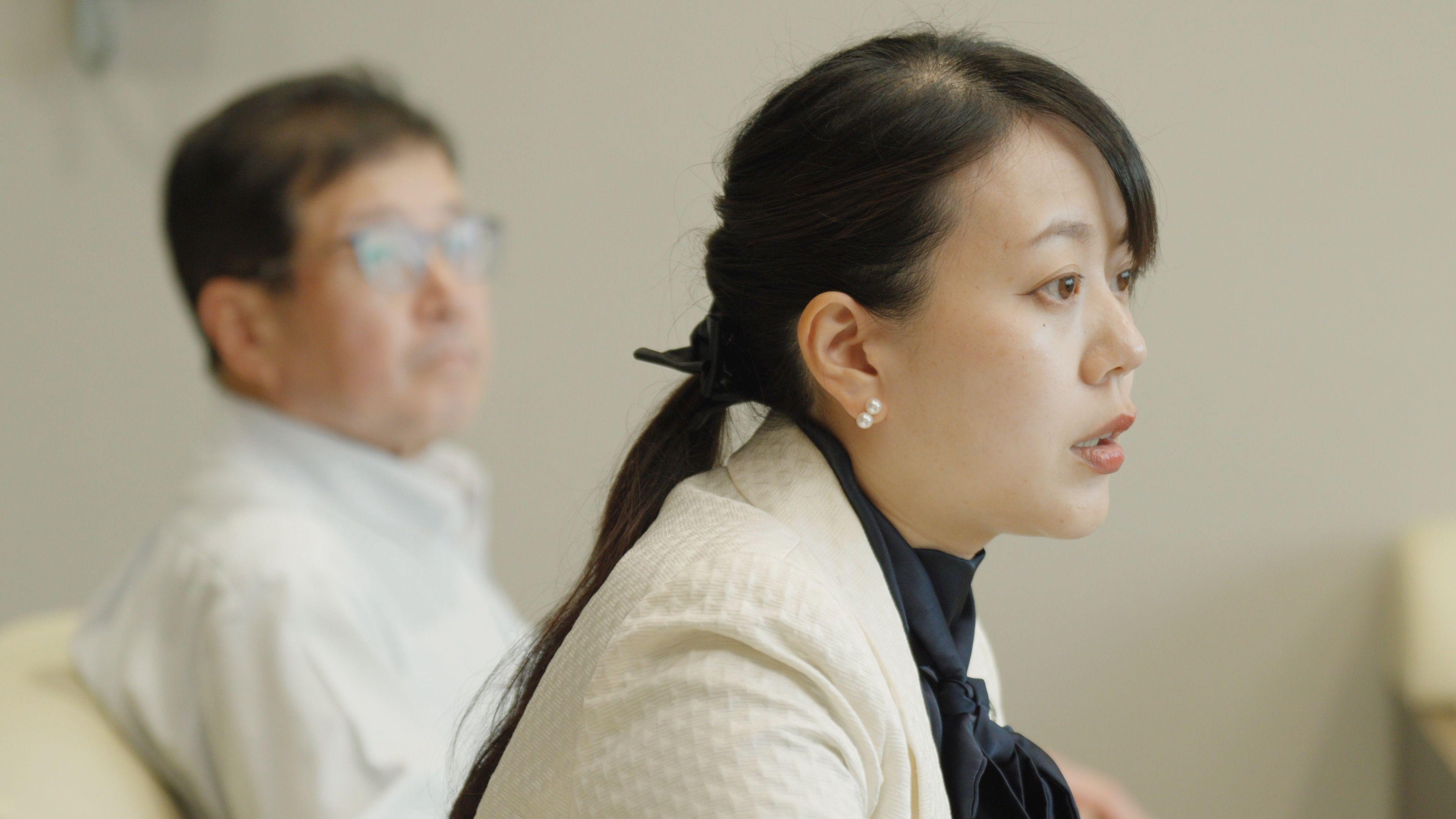
Shoko Kawata, 33, the youngest ever woman to head a Japanese city, plans to be out for four months – two before and two after the expected arrival of her first child. In the absence of a legal framework allowing elected officials to take leave for childbirth, Kawata officially designates deputy Shigeto Nose, 62, to assume her powers during this period.
Support poured in from city staff: the majority of employees, most of them older than the average municipal workforce age of 39, backed the idea that a leader can celebrate family milestones while remaining accountable. However, the wider public has taken the story apart in a torrent of X posts and YouTube videos.
Some commentators applaud Kawata for showing women that public duty need not come at the cost of motherhood. Others are harsh, insisting that stepping away from public office is irresponsible, that women should plan pregnancies before taking office, or that salaries be cut for parents on leave.
In her own words, Kawata dismisses the criticism: "If politicians are criticised for taking maternity leave, it means we are closing the door on every woman in her twenties and thirties who could be a citizen‑leader."
Former mayor of Akitakata, Shinji Ishimaru, emphasises the need for a system that guarantees continuity. He proposes a framework where deputies conduct daily consultations with the mayor online to keep municipal decisions on track.
Japan’s overall context is clear: a nation ranked 118th on the World Economic Forum gender‑gap index, still grappling with strong gender stereotypes. Despite a statutory maternity and paternity leave system that offers nine weeks of paid leave for mothers and four weeks for fathers, uptake is low because most officials still feel compelled to forgo family time.
What Kawata’s leave will provide, critics claim, is a test case for the public eye. It may trigger policy changes that make it easier for women to stand for office while raising children, but it remains a flashpoint for debates about responsibility, gender, and the role of the state in supporting families.
Now, as Japanese leaders and ordinary citizens observe the practicalities of a mayor on maternity leave, the focus shifts to how society can ensure that public service and parenting coexist sharply and fairly.