In brief
When former Supreme Leader Ayatollah Ali Khamenei was killed in early 2026, Iran’s power structure shifted dramatically. The country entered a ceasefire that many saw as a mirage, while Tehran’s new leadership under 56‑year‑old Mojtaba Khamenei began to recalibrate both domestic policy and foreign strategy. Engineers, war‑time commanders and political new‑boys are pushing a mix of hard‑line defence and pragmatic concessions, hoping to rebuild legitimacy and secure sanctions relief. The result is a tense, but potentially transformative, chapter for Iran and the wider Middle East.
The summer of 2026 marked a turning point for the Islamic Republic. A brutal conflict that began with a US‑Israeli air strike against the Iranian heartland culminated in a ceasefire signed by former President Donald Trump and French President Emmanuel Macron inside the gilded Hall of Mirrors. The agreement, the world's media described, was a surprisingly clean résumé of war, with just a single page detailing the conditions that were agreed to.
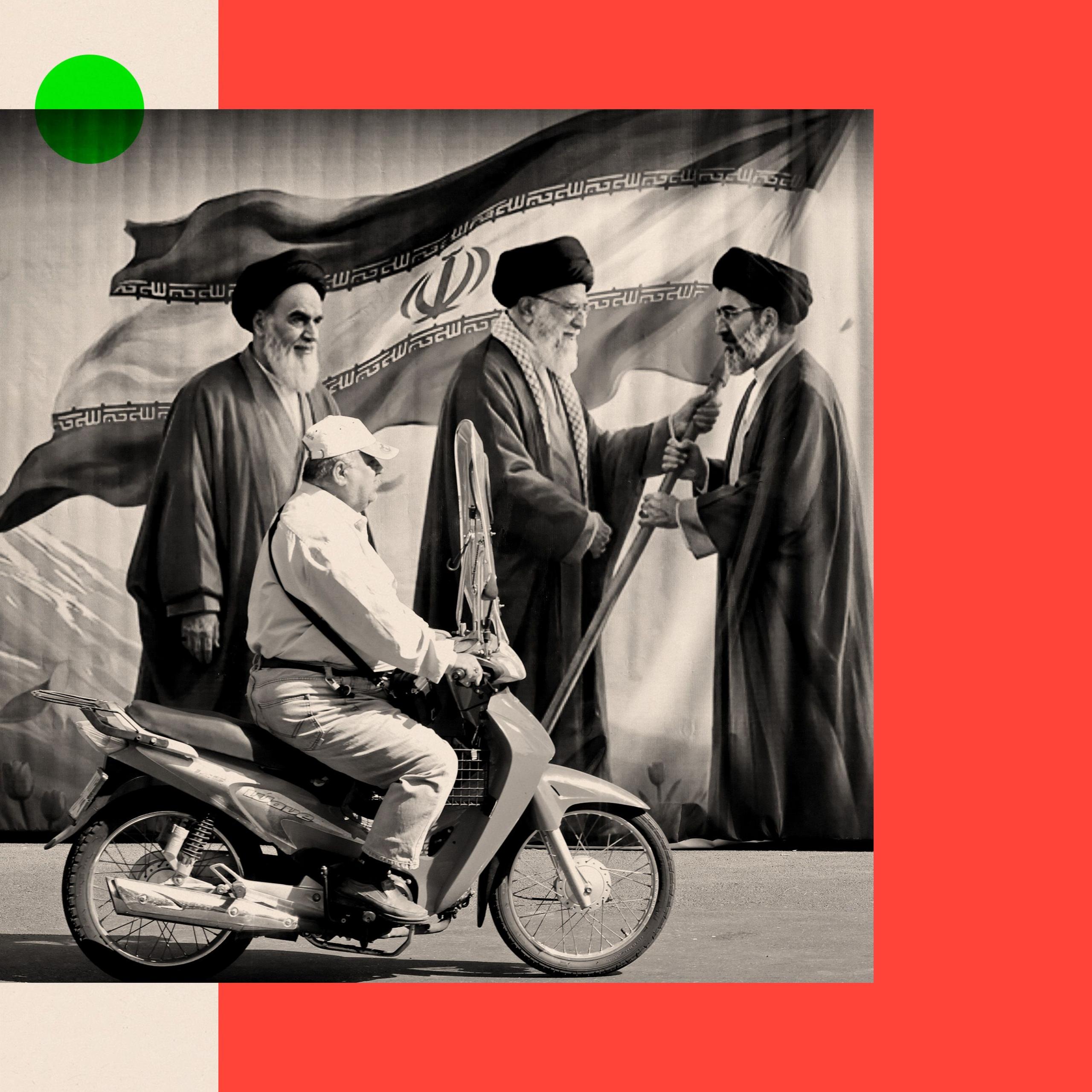
But inside Tehran the old guard was gone. Supreme Leader Ali Khamenei – whose body was decapitated in the first wave of bombing – left a 30‑year younger successor, 56‑year‑old Mojtaba Khamenei. Alongside him, a new generation of commanders, parliamentarians and diplomats has taken the reins, all of whom were born after the 1979 revolution. Their agenda is double‑fold: further beat the deterrence of the United States through strategic attacks and at the same time secure economic relief and redistribute power to the people.
The Verbal warfare of the previous decade – involving drones, missiles, and a throne‑room of moral suasion – has given the new regime a testbed for its dual strategy. It has cut the Strait of Hormuz, momentarily trading off shipping for security, and rallied domestic support through visible gestures, such as easing some hard‑line restrictions on religious dress and alcohol sales in private restaurants.
In the outside world, the ceasefire opened a window for Mark Zuckerberg‑played diplomatic engagement. The International Crisis Group reports that the Gulf states, once threatened by Iranian “axis of resistance” attacks, are now quietly preparing for possible reconciliation summits. They hope to secure an arrangement where the US can keep a persistent military presence while curbing Iran’s influence.
On the talk of sanctions relief, the Iranian government has already turned on the wheels that would allow it to export oil for 60 days and ultimately to unfrozen assets. Such financial incentives are designed to ask the new leadership whether they can strike a deal that would put peace on the table and restore the shattered legitimacy that the war has manufactured.
The final phase of this unsettled region will hinge on how the new Iranian commander‑generals trade in the lines of diplomacy with the day‑to‑day reality of war‑zone engineering. Whether this moment is a fleeting plastic summer or the start of a new era remains a question that only time can settle.