In brief
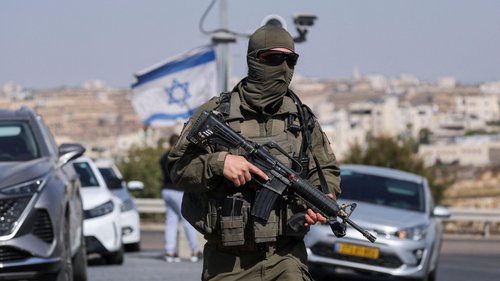
As military tensions rise between the US, Israel, and Iran, the fundamental rules governing warfare are increasingly being questioned. Experts warn that recent threats and actions could signify a departure from established international norms.
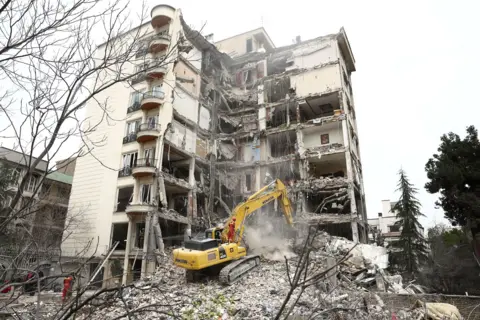
The US-Israeli attacks against Iran, and threats against its energy infrastructure, as well as Tehran's retaliation on its Gulf neighbors underline how the norms of starting and escalating international wars have been upended.
US President Donald Trump has at least twice threatened to use overwhelming force against Iranian energy facilities. Last week, he stated he would 'massively blow up' Iran's South Pars gas field if Iran further retaliated against Qatari energy sites. Over the weekend, Trump warned that the US would 'obliterate' Iran's various power plants if its leaders did not allow free navigation through the Strait of Hormuz.
This escalating situation is raising alarms regarding the stability of the global rules-based order. Luis Moreno Ocampo, former chief prosecutor of the International Criminal Court, remarked that the current hostilities may amount to a crime of aggression under international law. He emphasized that the war on Iran could violate the principles designed to protect civilians and discourage warfare unless approved by the UN Security Council.
Moreno Ocampo criticized Trump's intentions to attack Iranian infrastructure, likening these actions to Russia's attacks on civilian objectives in Ukraine, which have resulted in war crimes allegations against Russian officials.
He noted, 'Now we go from the rules-based system to the rule of the man; whatever President Trump decides will be the rule. That's not a viable world.'
The White House dismissed Moreno Ocampo's remarks as 'ridiculous', asserting that the president's actions are necessary to eliminate the threat from what they describe as a 'rogue terrorist regime'. However, criticism persists regarding the inconsistency in condemning Iran's actions while the US appears to abandon established international norms.
In a rapidly evolving conflict environment, where attacks on civilian infrastructure seem increasingly justified in the eyes of some world leaders, the future of international relations hangs precariously in the balance, raising fundamental questions about sovereignty and legal structure in warfare.