In brief
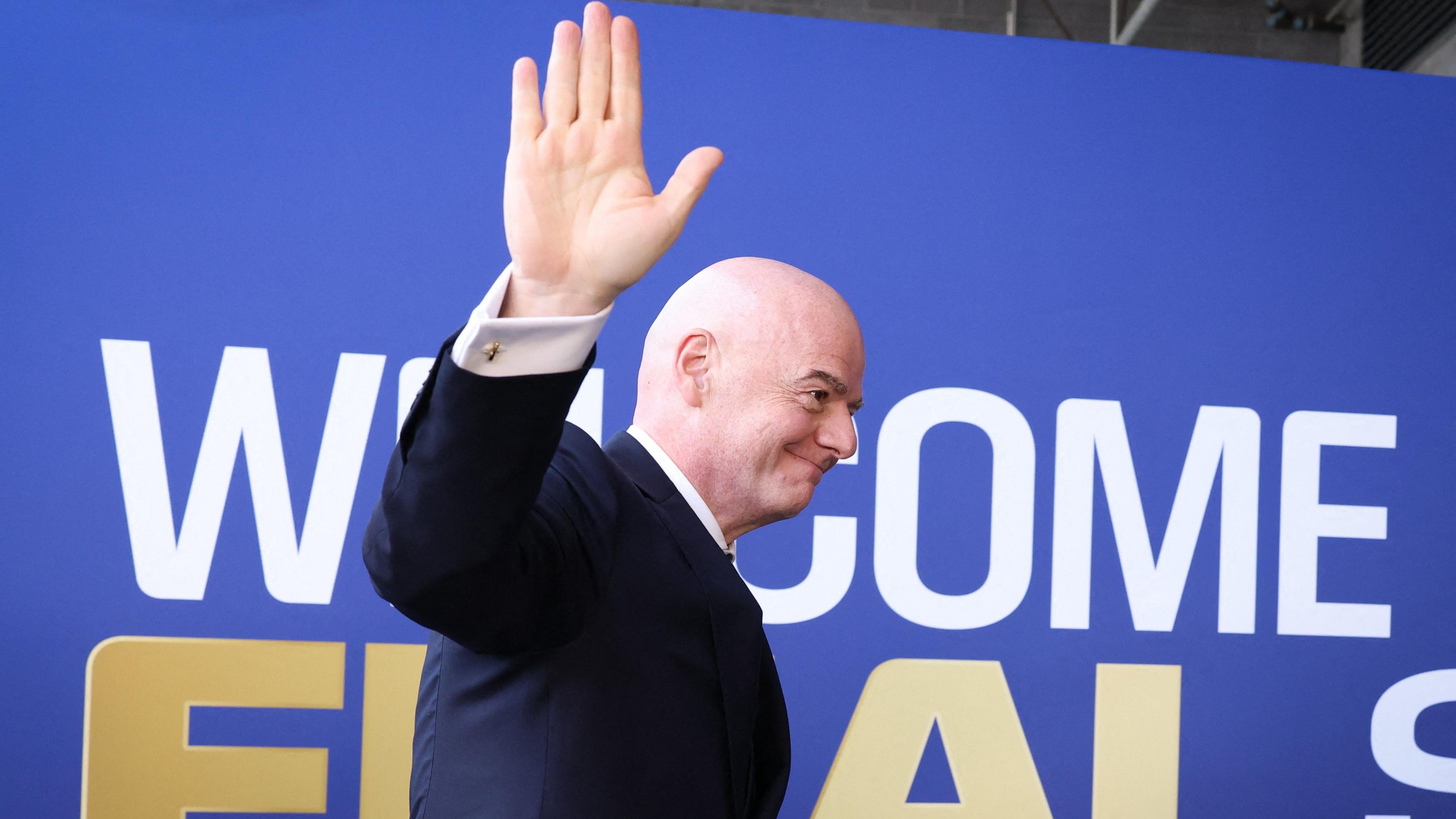
After a chain of controversies—including the cancellation of a high‑profile investment scheme, criticism from UEFA, CONCACAF and AFC, and the resignation of his senior adviser—Gianni Infantino’s future at FIFA is in doubt. Football leaders argue that if he leaves, a leadership election will open the door for new voices to take over. A handful of likely successors are already on the radar, from Concacaf President Victor Montagliani to PSG chief Nasser Al‑Khelaifi. The next FIFA Congress in Morocco next March will decide who will steer the sport forward.
The football world is suddenly hovering over a May‑day moment: FIFA’s president Gianni Infantino, who had once modernised the sport after the Sepp Blatter era, now faces a sharp decline in support. A rift with continental bodies, the revocation of a controversial investment plan, and the resignation of his White‑House‑appointed advisor have all bobbed his tide.
What triggered the crisis? In late June Hungary, the president of the American Confederation (CONCACAF) publicly denounced Infantino’s approach to monetising FIFA, while UEFA chair Alfred Riemer compared the club‑dominated structure he’d introduced to a ‘468‑level management nightmare’. The AFC’s delegation to the World Cup planning project further distanced themselves, citing a lack of transparency that “exposed fundamental weaknesses in FIFA’s decision‑making.” These signals culminated in an open call for a Boycott that was partially followed by a group of eight nations.
Following the turmoil, the insider line that Nasser Al‑Khelaifi – the hyper‑connected Qatari behind the Paris Saint‑Germain club and the newly formed European Football Clubs (EFC) – is a strong next‑in‑line, was rebuttally dismissed by an insider who confirmed the former premier has no ambition for the FIFA top job. That leaves a very public–backed shortlist:
- Victor Montagliani – the Canadian‑born CONCACAF boss who launched structural reforms and sat by the 2026 host‐planning board.
- Sharon Salman bin Ebrahim Al Khalifa – the Bahraini president of the Asian Confederation, who has overseen an expansion in the Aketic‑League and now accuses FIFA of “letting the game get lost in politics.”
- Mattias Grafström – the former Secretary‑General, who has become an indispensable voice inside the FIFA Board but whose own ambitions remain unknown.
- David Bernstein – former FA chairman who stresses that if Infantino still commands the national association network, he will survive to March.
The next decisive blow will come at FIFA’s 77th Congress in Casablanca next March, when the president will be elected for a two‑year term. With the UN’s six‑week deadline to submit nominations, the rivalry between the Pacific, the small European, and the Lebanese‑backed ex‑presidents will turn into a dramatic spectacle—one the platform will broadcast live, with live interactive polls and live‑tweet feed to keep all of our readers in the loop.
Rumours of a withdrawal of support are still claiming the headlines, but the message is clear: any candidate stepping on the FIFA podium will have to prove his independence from club‑money and present a roadmap that will appease confederations and national associations alike. Until the vote in March, the world will watch the football fireworks flash across every corner of the globe and the decision will be made in real‑time—so keep your PulseWire alerts on for a full break‑through update.