India’s “Cockroach” Protest: Modi Faces Growing Pressure
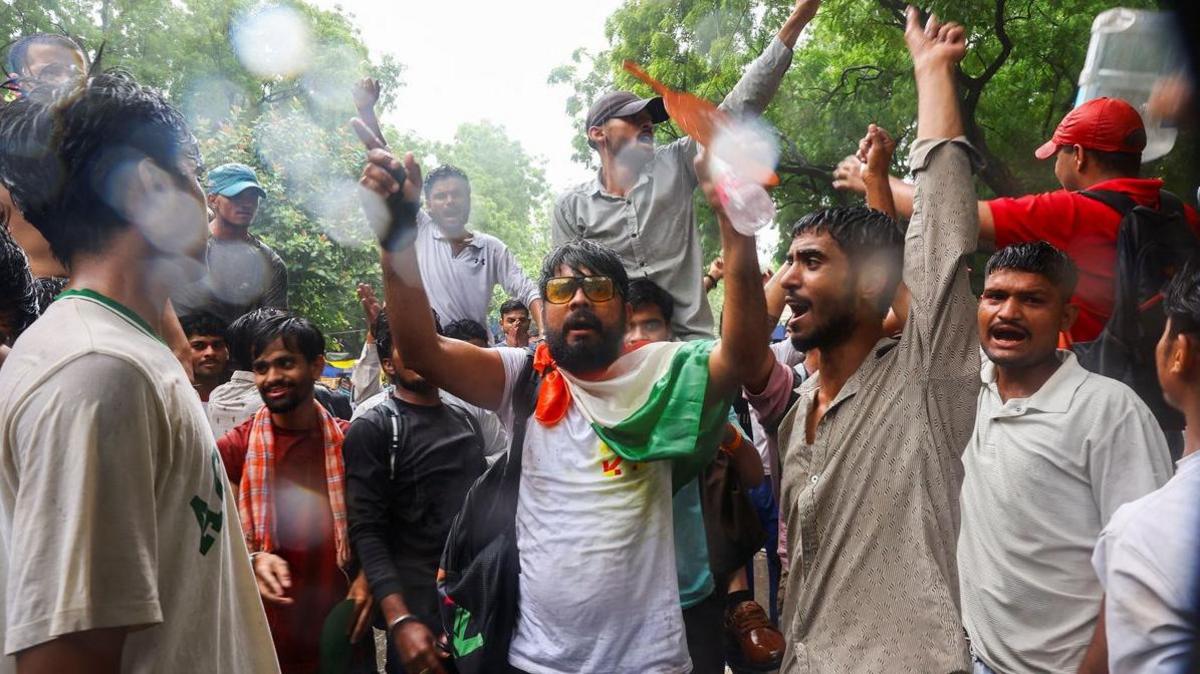
Thousands of student‑minded protesters remain at Jantar Mantar in Delhi as monsoon rains intensify, demanding the resignation of Education Minister Dharmendra Pradhan and calling for sweeping education reforms.
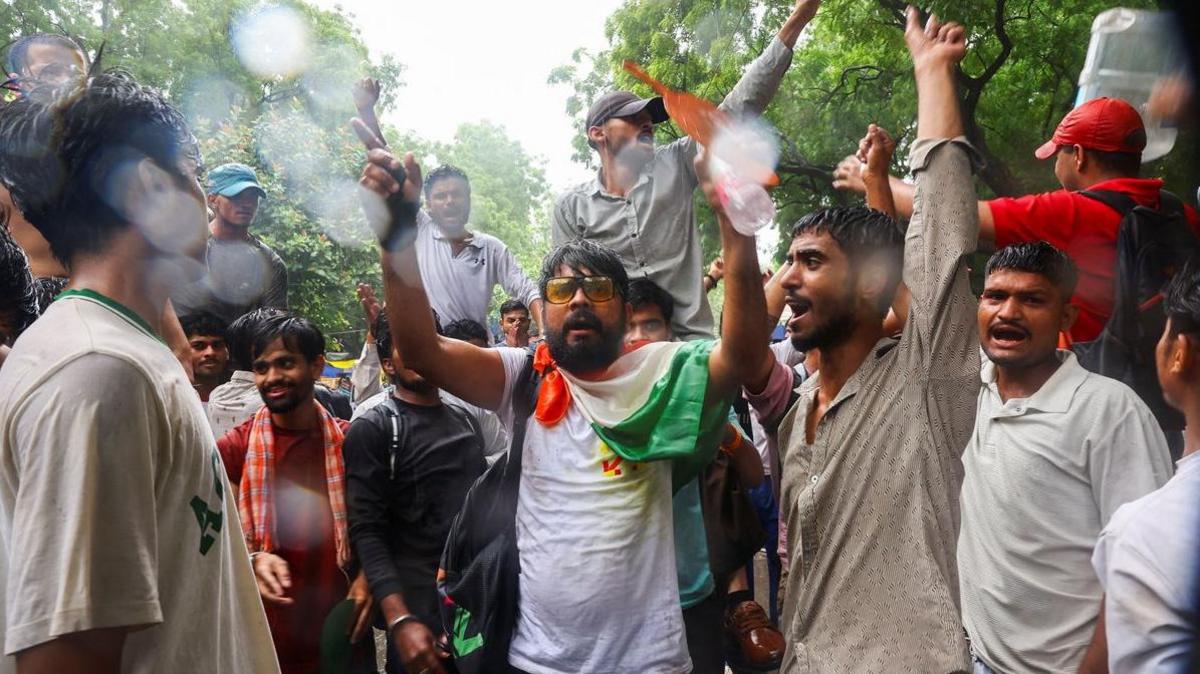
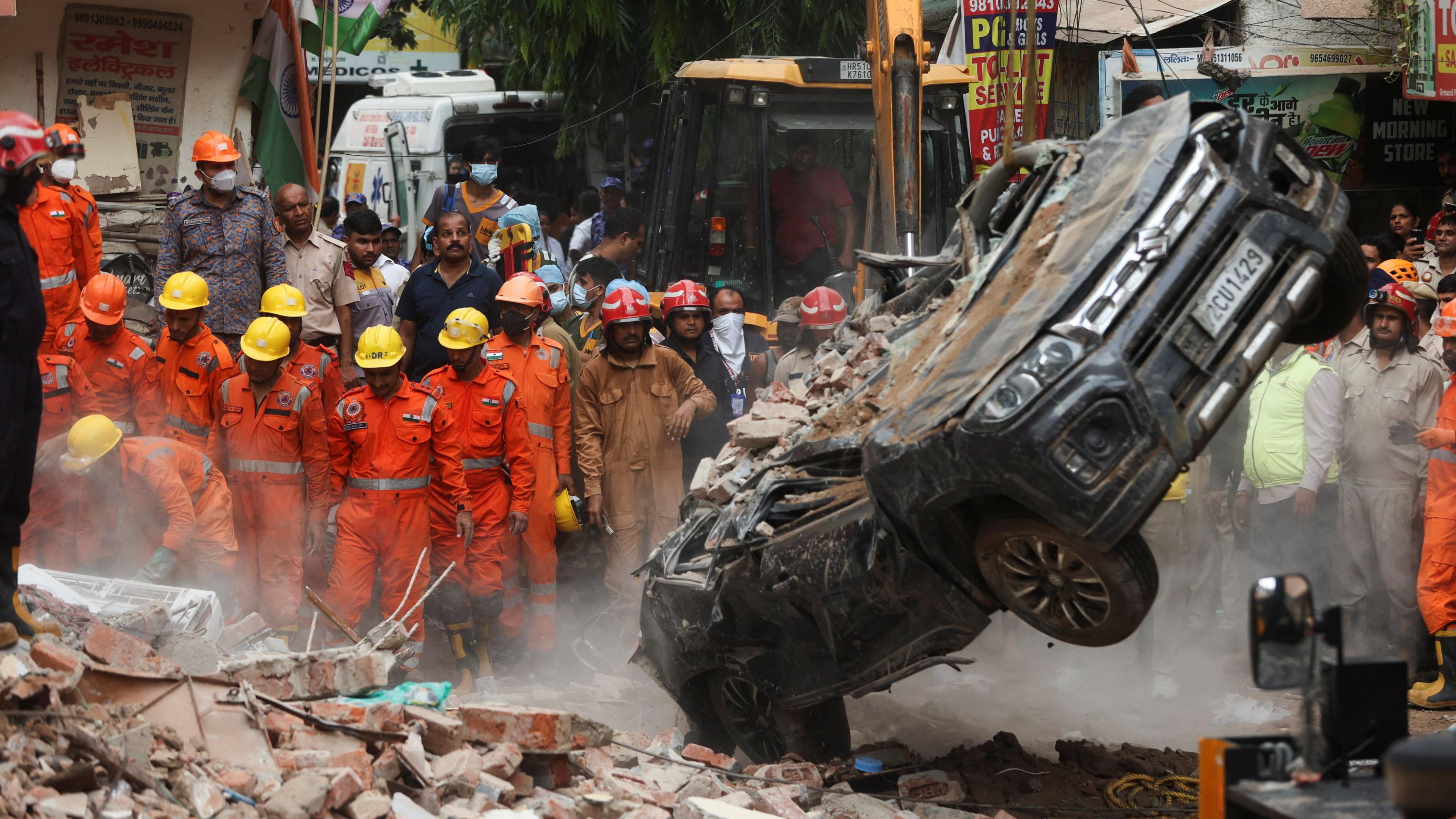
On Monday, police deployed batons and tear gas to break a massive march to Parliament, injuring at least 60 people. The stage and tents at the protest base were dismantled, yet demonstrators have chosen a round‑the‑clock sit‑in, refusing to leave.
The opposition Congress added fuel to the movement by protesting outside Prime Minister Narendra Modi’s official residence. Congress leaders Rahul Gandhi, Mallikarjun Kharge and others marched in support of the CJP’s demands, citing the crackdown as proof that the government refuses to engage with student voices.
Congress’s statement highlighted that Parliament had neither welcomed debate on the issue nor provided a platform for students, prompting the party to take the protest to the presidential bungalow instead.
Education Minister Pradhan has dismissed the protests as merely political theatre, arguing that the government is committed to “answers, reforms and accountability” for students. He has yet to address the CJP’s demands directly.
The CJP’s name arose from a controversial judicial remark that labeled young unemployed activists as “cockroaches.” The movement, however, has since evolved into a formidable public dissent force, drawing tens of thousands to the streets across India and gaining international visibility due to activist Sonam Wangchuk’s hunger strike.
In the weeks following the crackdown, protests have spread to Mumbai, Hyderabad, Bengaluru and Ahmedabad, showing the depth of public frustration with Delhi’s education policy and handling of student protests.
The situation remains fluid, with authorities and opposition forces debating a solution, while the protest continues to intensify in Delhi and beyond.