In brief
The recent visit by US envoy Steve Witkoff to a humanitarian site in Gaza has sparked intense debate regarding the current aid distribution methods and the escalating humanitarian crisis in the region.
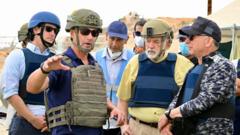
US Middle East envoy Steve Witkoff paid a visit to a contentious aid distribution site in Gaza, aimed at providing US President Donald Trump with a comprehensive view of the humanitarian crisis currently impacting the territory. This visit comes amidst reports of violence surrounding the Gaza Humanitarian Foundation (GHF) sites where, allegedly, over 859 Palestinians have died in their vicinity, according to the UN—a claim that GHF disputes. Accompanied by US Ambassador to Israel Mike Huckabee and representatives from the Israel Defense Forces (IDF), Witkoff's trip involved a detailed assessment of conditions on the ground. In a post shared on X, he remarked that they spent over five hours engaging with GHF officials and other organizations in Gaza. Huckabee characterized GHF's operations as a remarkable success, claiming they distribute over a million meals daily, though critics argue that these efforts fall short of meeting the nutritional needs of the residents. UN agencies have raised alarms about an unprecedented hunger crisis unfolding in Gaza, labeling it a man-made catastrophe. Locals expressed their skepticism towards Witkoff's visit, with one resident, Louay Mahmoud, dismissing it as a "media stunt" that lacks meaningful solutions and only perpetuates the narrative of the Israeli government. Oxfam’s Scott Paul noted that the scenes witnessed by Witkoff and Huckabee reflect the extreme humanitarian difficulties faced by many families in Gaza. He urged for a reevaluation by the US to use its influence effectively to mitigate the crisis before it escalates further. Critics have portrayed the trip as a publicity exercise that obscures the realities of a humanitarian crisis exacerbated by American policies. Eyewitness accounts from a former US contractor at GHF sites allege that IDF troops have used excessive force against civilians accessing aid, which has raised questions about accountability and oversight in the current aid distribution framework. Human Rights Watch echoed these concerns, calling for an end to the use of lethal force by Israeli forces during aid distribution. The GHF, operational since May, assumed responsibilities from the UN following accusations that Hamas had been pillaging UN aid—a claim denied by Hamas. Right now, there are four GHF sites, which are enclosed within military zones and operated by private US security contractors. As violence continues to plague the region, recent reports indicate that at least 10 people were killed in several military strikes throughout Gaza on Friday alone, raising the total number of deaths to 82 within a 24-hour period, half of whom were reportedly seeking aid. The situation remains dynamic, and efforts at establishing a sustainable ceasefire are complicated by ongoing hostilities, with recent talks between Witkoff and Israeli officials hinting at a potential shift in negotiations—and the staunch desire from Hamas for increased humanitarian access as a precondition for dialogue.