In brief
As the January 19 deadline looms for a potential ban of TikTok in the United States, uncertainty swirls around the fate of its millions of users and the platform's operational future. The Supreme Court is hearing pleas from TikTok's Chinese parent company, ByteDance, amidst fears of national security threats. Regardless of whether the verdict is in favor of the ban or not, experts speculate on the consequences and alternative pathways for app accessibility and user engagement.
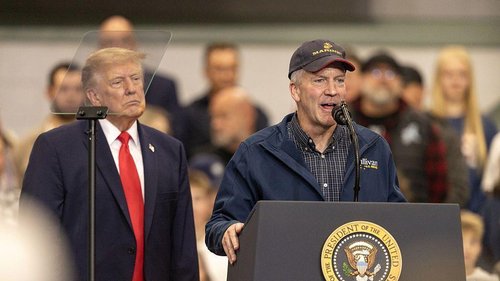
The potential ban would primarily hinge on app stores like Google Play and Apple's App Store, which could be mandated to remove TikTok from availability in the US. Current users would retain the app, but without further updates, operation would likely deteriorate, paving the way for security risks. There are already numerous workarounds being discussed, such as the use of VPNs, changing app regions, or modifying devices to access the service despite the ban. However, the government is also keen on blocking internet services that could aid users in bypassing restrictions, raising concerns about overall internet freedom and fragmentation.Former President Donald Trump, despite voicing opposition to the ban, may have limited options. Any ruling by the Supreme Court would become effective the day before he potentially resumes office, but he might instruct the Justice Department to choose non-enforcement without legal repercussions for infringers like Apple and Google. Thus, while legal channels are being explored, users will have to navigate their options carefully.Should TikTok become less accessible, rival platforms could seize the opportunity for displaced users. Services like Instagram Reels, YouTube Shorts, and even Facebook could see increased engagement from advertisers redirecting their budgets away from TikTok. Though TikTok's unique features, like TikTok Shop, cannot be replaced easily, users might turn to alternatives that support similar content creation.Additionally, ByteDance's stance on selling TikTok may shift due to market pressure or regulatory demands, and several potential buyers are reportedly on the lookout, including billionaires Elon Musk or Frank McCourt. Even the prominent YouTuber MrBeast claimed interest, hinting at the competitive allure of the platform. As the situation develops, stakeholders from various sectors are poised to monitor the outcomes and their implications for digital interaction in the United States and beyond. It remains to be seen how the judicial and political landscape will shape the future of TikTok.