In brief
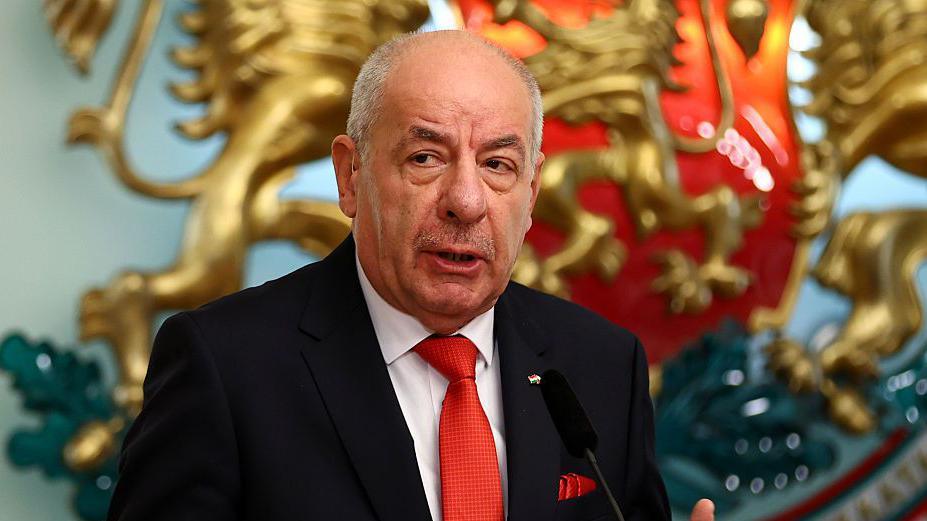
Hungarian President Tamás Sulyok has agreed to resign after Parliament passed a constitutional amendment that will end his term at midnight on Sunday. The amendment was pushed by Prime Minister Péter Magyar’s Tisza party, citing a "serious loss of confidence" in the president and demanding high‑profile changes, including the removal of the Constitutional Court head. Sulyok, a loyalist to former Prime Minister Viktor Orbán, had only five days to sign before a constitutional crisis could begin. He condemned the move as a breach of democratic principles, labeling it a "breaking point in Hungary’s constitutional democracy." The decision reflects a broader pattern of changes by the Tisza government since its April landslide victory, prompting concerns about the erosion of independent state institutions.
In a watershed moment for Hungary’s political landscape, President Tamás Sulyok signed the amendment to the constitution, agreeing to step down at midnight on Sunday. The change was propelled by the Tisza party’s sweeping majority in Parliament, which classed the move as a decisive supply‑line cut against what it described as a former ruler’s loyalist.
Within five days of the vote, the president faced a constitutional showdown – he could either sign the amendment and exit peacefully or trigger a prolonged impeachment process that could fracture the state’s governance. He ultimately chose the former path after the deadline on Saturday evening but did not hesitate to accuse the government of violating the rule of law.
Sulyok’s statement marked the latest dramatic step by the Tisza government, whose recent agenda includes removing the Constitutional Court’s head and barring MPs who have served three terms, impacting many former Fidesz members. The amendment, passed Monday with an overwhelming majority, has been labeled by the opposition of former Prime Minister Viktor Orbán as a tyrannical act, prompting calls for mass protests.
This pivot echoes Hungary’s past transformation under Fidesz, where state institutions were re‑oriented toward the ruling party. In the last 16 years, the party installed loyalists in key positions, eroding the independent nature of the state. “It now is very difficult to dismantle a sophisticated authoritarian regime that was designed to survive even after electoral defeat,” said former Supreme Court head András Baka, who congratulated the Parliament on the removal.
With the president’s resignation paved, the focus turns to who will fill the void and how the EU will respond. The European Union has already announced plans to unlock €16.4 bn for the new Prime Minister, emphasizing a “wind of change” in Hungary. As Hungary moves forward, the nation’s national flag hanging over the Parliament halls echoes the sentiment: a new era, but one that must balance power and democratic safeguard.