In brief
Hamas has officially accepted a 15‑point U.S‑led disarmament roadmap that calls for the inventory, storage, and eventual destruction of its heavy weapons, marking a historic concession. The breakthrough came after intense pressure from regional mediators and a shift in Hamas leadership, but Israel insists that the plan cannot move forward without the cessation of all attacks and a full Israeli withdrawal to the Yellow Line. A Palestinian National Committee will oversee the hand‑over, aided by an International Stabilisation Force, while the plan also covers the treatment of civil servants and the removal of tunnels. Meanwhile, Gaza remains devastated, with millions living in dire conditions and the ceasefire still fragile as Israel expands its control. The acceptance of the plan is seen as a cautious step toward peace, but its implementation hinges on Israel’s willingness to comply with the disarmament and withdrawal terms.
Hamas has accepted a U.S.-led disarmament plan for Gaza, a decision described by President Donald Trump as a "monumental step toward lasting peace and security." The group claims it negotiated responsibly and that a national consensus has been reached among Palestinian factions.
By laying down its arms, Hamas aims to trigger a phased Israeli withdrawal, though Israel remains skeptical, insisting it will not pull out until the Gaza militia fully disarms.
What the Plan Says About Hamas Disarming
The plan, part of a 15‑point roadmap by the U.S. Board of Peace, stipulates the inventory and secure storage of heavy weapons, military production sites, weapons depots, and tunnels. This is contingent on Israel honoring its commitments under the October ceasefire. Oversight will fall to a Palestinian National Committee of independent technocrats, with an International Stabilisation Force (ISF) set to deploy to Gaza.
Can This Be Done?
Details on how weapons will be handed over are unclear. The plan envisions removing all heavy weapons and dismantling tunnel networks, with a timeline to be set within 14 days. Hamas insists it will disarm only once Israel ends all aggression and withdraws forces. The ISF has received approval to operate, but has yet to enter Gaza.
What Israel Makes of the Plan
Israel remains deeply skeptical about Hamas's willingness to disarm. National Security Minister Itamar Ben‑Gvir has labeled the roadmap "not acceptable," and Israeli officials maintain that Israeli forces will not retreat beyond the Yellow Line until Hamas fully complies.
The Plan Talks About Civil Servants
Hamas announced earlier this month that it dissolved its Gaza government in favour of the National Committee. The plan commits to caring for the tens of thousands of civil servants, including police and public workers, ensuring they are compensated or rehired fairly. Security vetting for any who join the National Committee remains to be clarified.
Why is Hamas Agreeing Now?
Under pressure from regional mediators and with the appointment of a single Hamas negotiator, Khalil al-Hayya, the group has streamlined decision‑making. Coupled with the worsening humanitarian crisis in Gaza, Hamas has decided that a peace plan may offer the only viable route forward.
What is It Like in Gaza Today?
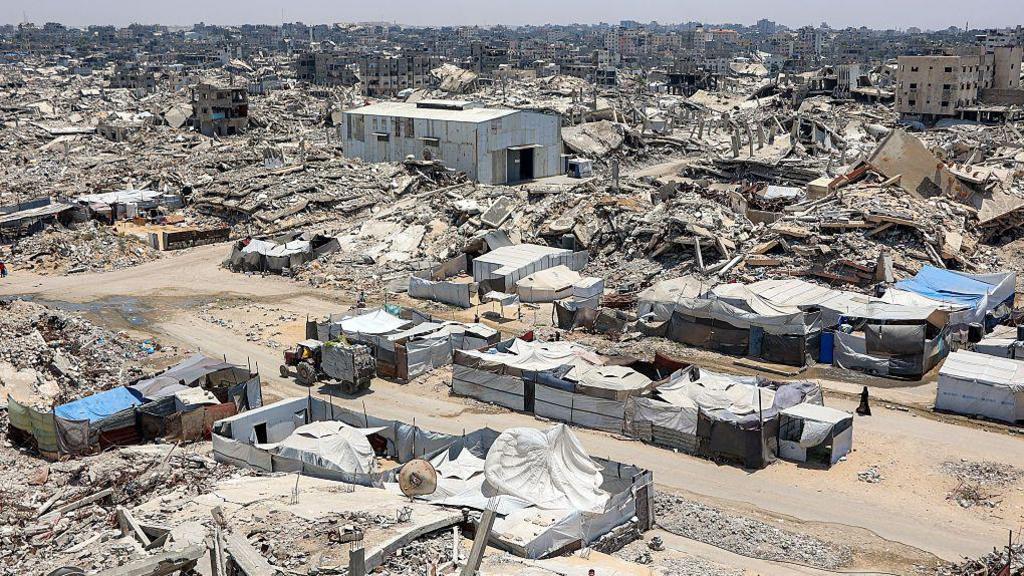
Despite the announcement, Gaza remains in a state of siege, with more than two million civilians living in dire conditions. According to local health authorities, over 1,168 Palestinians, including children, have died since the ceasefire, while Israeli forces continue to expand the Yellow Line and destroy structures in Gaza’s northern sectors. The dispute over territory and resources continues to fuel uncertainty around the peace plan’s success.