In brief
After the twin 7.1‑magnitude earthquakes that left thousands dead, Venezuela’s interim leader Delcy Rodríguez announced formal talks with opposition figures beginning August 1. Jorge Rodríguez, head of the National Assembly, explained that the devastation demanded national unity to rebuild and maintain peace. Opposition lawmakers claim the talks will set a clear path toward democratic institutions, the renewal of the electoral council, and political participation. The plan follows a history of contested elections and scrutiny of U.S. involvement since Maduro’s removal by U.S. troops. Leaders like Dinorah Figuera, recent returnee from exile, and María Corina Machado are poised to weigh in on the future of Venezuelan democracy.
Breaking news: Venezuela’s interim government announced that formal talks with opposition members will commence on 1 August.
The announcement came a month after a twin 7.1‑magnitude earthquake struck the north of the country, killing at least 4,734 people and destroying thousands of homes.
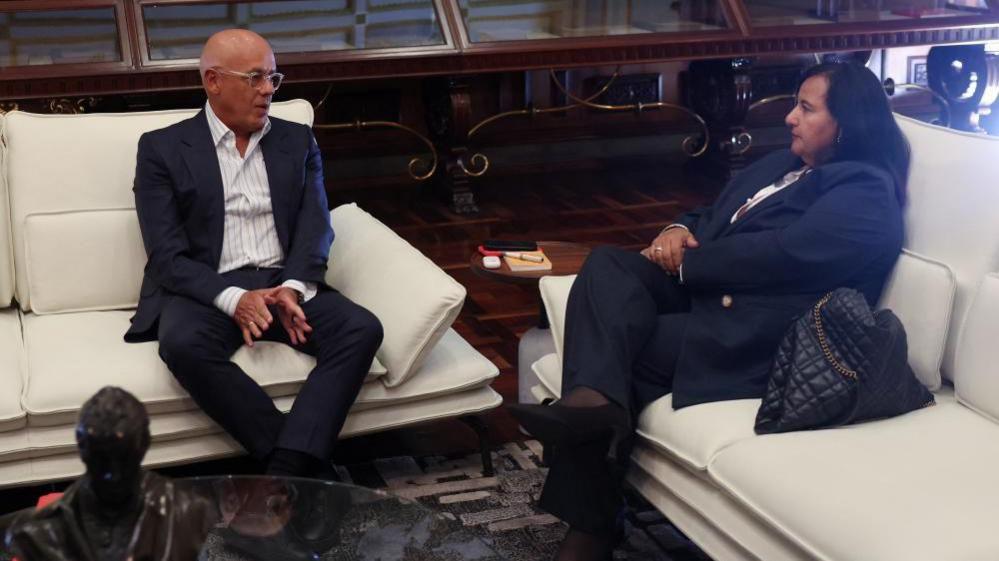
Jorge Rodríguez, the brother of interim president Delcy Rodríguez and head of the government‑controlled National Assembly, said the devastation made it clear that unity was essential for reconstruction and peace. The National Assembly’s previous decisions had alienated many Venezuelan citizens who felt the government refused to allow a democratic transition.
The opposition, a coalition of former lawmakers elected in 2015, called the talks “a route map towards democracy.” They highlighted the United States’ support for disaster relief as evidence that Venezuela can no longer be isolated in its political crisis.
Key opposition voices include Dinorah Figuera, who returned from exile in June and will lead the talks, and María Corina Machado, who has yet to be formally invited back. Both have faced persecution by the Maduro regime and are targeted for political dissent.
The initiative outlines several priorities: strengthening democratic institutions, ensuring a fair electoral system, and providing political participation guarantees. It also seeks to address the 372 political prisoners still in custody, as highlighted by the NGO Foro Penal.
If successful, these talks could signal a turning point for Venezuela, reinstating democratic norms and engaging international partners for long‑term recovery. Stay tuned for updates on negotiations and on‑ground developments as stakeholders from both sides prepare for the official opening on 1 August.