In brief
As Canada approaches its federal elections on April 28, the absence of credible news sources on platforms like Facebook and Instagram is creating a fertile ground for misinformation and hyperpartisan rhetoric.
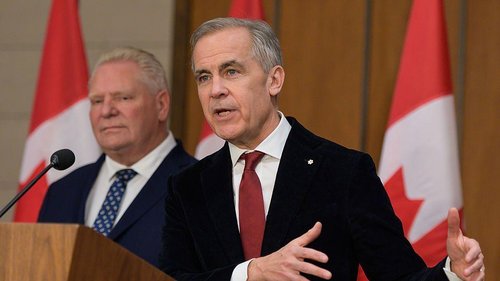
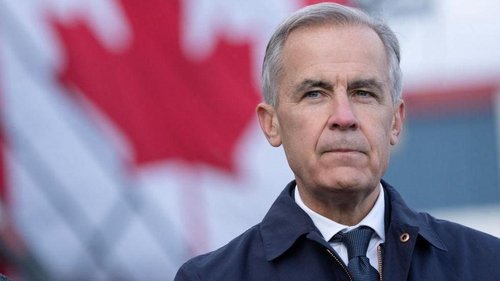
In a dramatic turn of events, various misleading political content has inundated the social media landscape, coinciding with Meta's 2023 decision to restrict news on its platforms. This move followed the introduction of a tax requiring Meta to pay Canadian news organizations for their content. Prominent among the sources of misinformation is the right-wing Facebook page, Canada Proud, boasting over 620,000 followers. Amidst this torrent of content, Prime Minister Mark Carney has found himself at the center of a campaign against him. Just days before he announced his candidacy to lead the Liberal Party, images from a past garden party surfaced, depicting him alongside Ghislaine Maxwell, a convicted sex trafficker. Although Carney's team downplayed the images as mere social interactions from over a decade ago, Canada Proud seized on the moment, resurrecting the controversial visuals to craft narratives claiming Carney's associations with criminals. The disinformation campaign is characterized by a pattern of claims that often distort realities, such as falsely suggesting that Carney paused his campaign following controversies tied to China. Such misleading posts have been amplified, drawing more engagement than traditional news outlets, demonstrating the precariousness of the political discourse in this current digital landscape.Notably, the drive towards misinformation isn't merely a reflection of chaotic campaigning but underscores the broader implications of Meta's restrictive news policies, which have unintentionally catalyzed the proliferation of unchecked, often counterfeit narratives among the Canadian electorate. As such, the implications of this landscape are profound, prompting citizens to navigate through a maze of hyperpartisan content rather than accessing reliable journalistic sources. As Canadians prepare for elections, the need for accurate and transparent political information has never been more crucial.