In brief
Tourists flock to Guangxi province's awe-inspiring sinkholes, but with the influx of visitors comes the threat of ecological degradation. Balancing tourism with conservation has become paramount for preserving these unique environments.
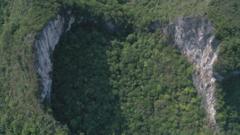
Giant sinkholes in Guangxi province, China, have transformed into popular tourist destinations, revealing secret ecosystems of ancient forests, rare plants, and unique wildlife. Pioneering explorers, once constrained by myths of demons and ghosts, now venture into these colossal pits, uncovering breathtaking subterranean worlds that date back to the age of dinosaurs. Situated in a region that harbors two-thirds of the world's sinkholes, Guangxi boasts more tiankeng—Mandarin for "heavenly pit"—than anywhere else. The province's latest discovery, featuring towering trees over 40 meters tall, has been a boon for tourism, luring visitors bent on experiencing its astounding natural beauty. As adventurers like 25-year-old Rui and her boyfriend Michael descend into the gaping chasms, thrill-seekers stand precariously above sheer limestone cliffs, entranced by the vibrant treetops swaying below. Fei Ge, a veteran guide once terrified of these sinkholes, now leads such excursions, sharing insights about their history and ecological significance. For centuries, locals shunned these enigmatic openings due to tales of malevolent spirits. However, following explorations, scientists have begun documenting the diverse flora and fauna thriving within, including previously undocumented species that offer glimpses into lost ecosystems. China's limestone-rich landscape contributes to the proliferation of sinkholes, with significant geological formations revealing deep caverns formed by water erosion. These phenomena, measuring at least 100 meters in depth and width, allow scientists to study ancient ecosystems and assess climate change impacts. Despite the tourism boom stimulating economic growth in the nearby village of Ping'e, concerns about preserving these fragile habitats linger. Increased visitor numbers could jeopardize the ecological integrity of the sinkholes. Developers have already constructed a towering viewing platform above Dashiwei, one of the world's deepest sinkholes, prompting environmentalists like Dr. Lina Shen to advocate for meticulous conservation efforts. Dr. Shen emphasizes the importance of maintaining the original ecological state of these sites, suggesting sustainable tourism practices that minimize disturbances. Meanwhile, guides like Brother Fei remain committed to protecting these invaluable resources, balancing the joy of exploration with ecological preservation. As tourists delve deeper into the mysteries of Guangxi's sinkholes, the urgent call for stewardship intensifies, ensuring that future generations may also marvel at the stunning beauty hidden within these ancient, magical lands.