In brief
The UN’s World Food Programme has issued a stark warning regarding the potential starvation of around 300,000 residents in the besieged city of el-Fasher, Sudan, as ongoing civil conflict hampers aid delivery and worsens food insecurity.
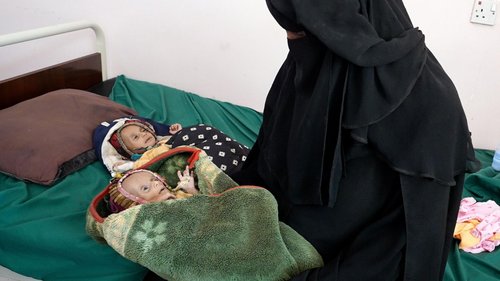
The World Food Programme (WFP) has raised alarms about the precarious situation of families trapped in el-Fasher, a city in Sudan’s western Darfur region, warning that starvation looms for its approximately 300,000 residents. The city has been encircled by the Rapid Support Forces (RSF), a paramilitary group, for nearly 16 months, cutting off vital food supplies. This ongoing blockade has left the community without road access to food deliveries for over a year.As the civil war continues into its third year, the consequences are dire, with local activists reporting fatalities from malnutrition. The conflict began in April 2023, spurred by a violent power struggle between the Sudanese army and the RSF, leading to one of the most severe humanitarian crises globally.Children are particularly suffering, with UNICEF noting that many are severely malnourished, some "reduced to skin and bones." The situation has driven North Darfur Governor Al-Hafiz Bakhit to urgently appeal for humanitarian support, labeling living conditions in el-Fasher as unbearable.The WFP’s report highlights extreme food shortages, with soaring prices for the limited supplies that remain. Many residents have resorted to eating animal fodder and food waste. Eric Perdison, WFP's regional director for eastern and southern Africa, emphasized the urgent need for sustained aid access, warning that lives hang in the balance.An eight-year-old girl, Sondos, recently escaped the city, recounting that “only hunger and bombs” defined life in el-Fasher. Despite the WFP having food aid ready for delivery, access remains uncertain due to the RSF’s control over the area and ongoing conflicts, significantly hampering efforts to provide humanitarian relief.Negotiations for a humanitarian truce have stalled, with the RSF alleging that proposed ceasefires are tactics employed by the military to support their own forces. With over a million people having fled el-Fasher since the conflict erupted, the urgency for international intervention escalates.While some regions of Sudan see slow improvement regarding aid access, resources remain critically low, exacerbated by recent funding cuts. As UNICEF's Sheldon Yett commented, the situation presents “a looming catastrophe” for an entire generation of children in Sudan. Without immediate action and support, the humanitarian crisis threatens to spiral further out of control.