In brief
Belgium’s Prince Laurent has officially recognised 26‑year‑old former car salesman Clément Vandenkerckhove as his son. The news comes after a quiet town‑hall ceremony six months ago, when DNA tests confirmed the paternal link. Despite his new prince status, Vandenkerckhove will not receive a royal allowance or have a place in the succession line, and he may choose whether to adopt the Habsburg‑Saxe‑Coburg name. The case echoes past paternity scandals that shook the Belgian monarchy earlier in the decade.
Belgium’s Prince Laurent has recognised former car salesman as his son
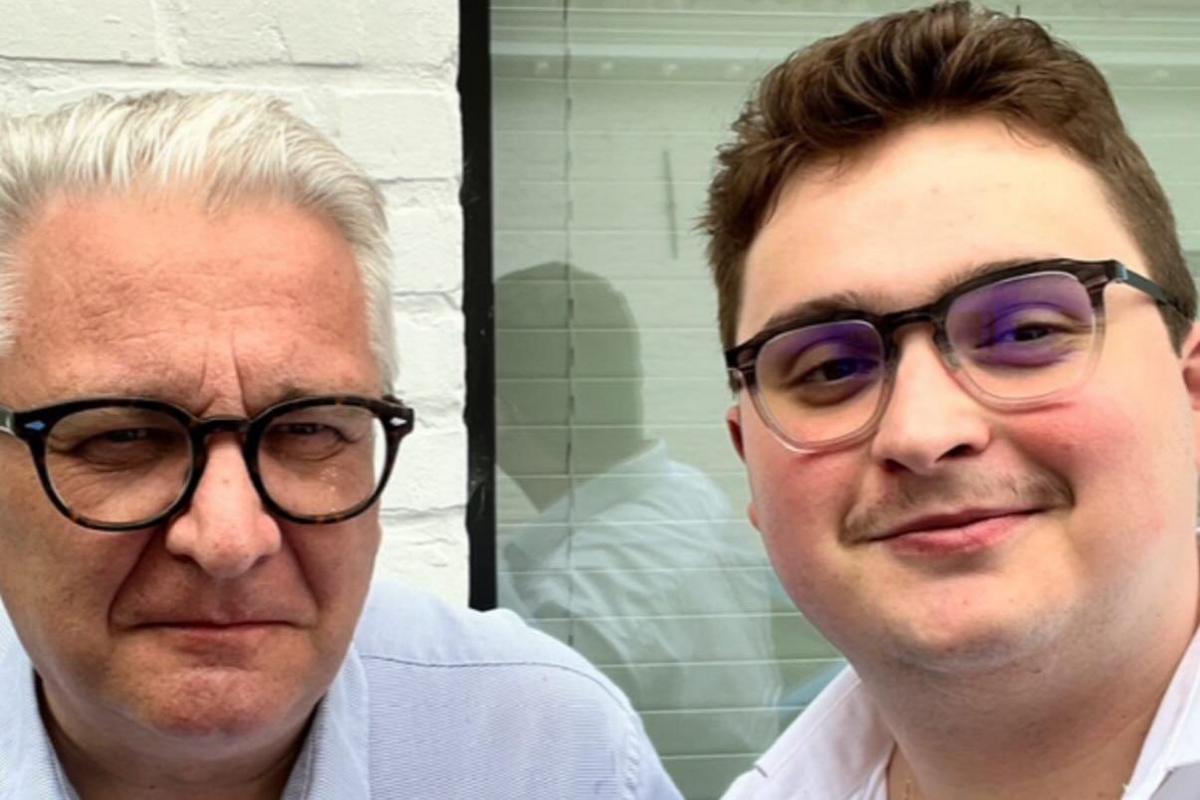
In a quiet town‑hall ceremony that took place six months ago, Prince Laurent officially confirmed that 26‑year‑old Clément Vandenkerckhove—known for a brief stint selling cars—was his biological son. The announcement followed a DNA test that produced a 99.5% match, the same level of certainty that had earlier validated a paternity claim by Prince Laurent’s former partner.
While Vandenkerckhove now carries the title of “Prince,” he will not be granted a royal allowance or a place in the Belgian succession line. His half‑sisters Louise and brothers Aymeric and Nicolas remain the only direct heirs to the throne.
Vandenkerckhove, who grew up under the surname Vandenkerckhove (the real name of his mother, singer Wendy Van Wanten), first met Prince Laurent in 2013 at a shopping centre. It was not until he turned sixteen that his mother revealed his true parentage. The two eventually connected on the phone, meeting in person, and eventually agreed to a DNA test.
“I might want to do that, but I am proud of the name Vandenkerckhove,” he told the Flemish newspaper Het Nieuwsblad, adding that renouncing his family name would be “a betrayal of everything my mother has done for me.”
The story mirrors a former scandal in 2013 when King Albert II publicly admitted parentage of a child born during an affair, after a lengthy paternity battle. The law at the time, which only permits a handful of royals to receive public allowances, now means that only King Philippe, his father, Prince Laurent and Princess Astrid receive state support.
For viewers and readers, the full legal acknowledgement is still being confirmed on the royal website, and commentators are calling for transparent crowdsourced verification of the new prince’s credentials. PulseWire will continue to monitor the situation and offer live updates, including potential statements from the House of Saxe‑Coburg.
Image: