In brief
The National Assembly voted 291‑241 to legalise assisted dying for adults with serious, incurable illness, after previous defeats in the Senate. Prime Minister Lecornu will forward key provisions to the Constitutional Council before the law can be enacted. The bill mandates a clear patient intent, a 15‑day consultation with a physician, a two‑day reflection period, and self‑administration of a lethal substance—though doctors may assist if patients cannot. Public support is strong, yet the proposal faces opposition from the Catholic Church and parts of the medical profession.
France’s National Assembly passed a bill that lets adults with serious, incurable illness choose to end their lives under strict, medically supervised conditions, a first in the country’s recent history.
The 291‑to‑241 vote follows three previous defeats in the Senate, and Prime Minister Sébastien Lecornu will send key provisions to France’s Constitutional Council for review before the law can take effect.
Under the proposed rules, patients must display a clear intent to a doctor, who will confirm the decision after a 15‑day consultation. After a mandatory two‑day period of reflection, patients must administer a lethal substance themselves, though a doctor may step in if they are unable to do so.
The legislation moves France into a group of European nations that permits assisted dying for terminally ill patients, a step mirrored by vigorous debate in the UK and a move by the Netherlands and Belgium almost two decades ago.
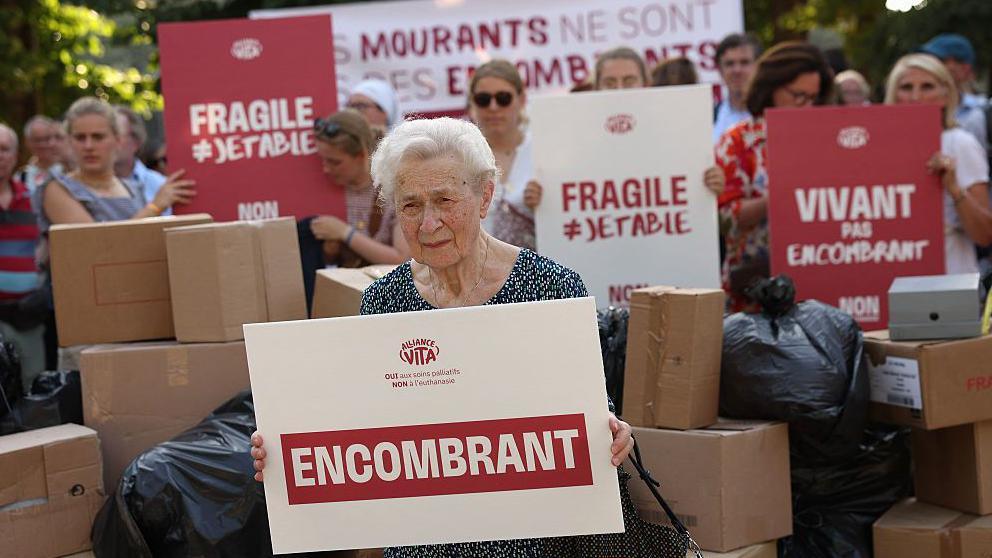
While public opinion polls show broad support, the bill faces opposition from the Catholic Church and segments of the medical community, who argue that it risks creating a ‘burden’ on the vulnerable.
The Constitutional Council will scrutinise three key aspects: the two‑day reflection period, consent for patients with impaired judgment, and the role of care facilities that traditionally provide palliative care.
For further context, see the map above illustrating which European countries currently recognise assisted dying.