In brief
In the early hours of Saturday, police arrested perpetrators who breached the alarms of the Regional Interdisciplinary Museum of Messina to steal three panels of the 1473 Polyptych of San Gregorio and a double‑sided panel of the Madonna with Child and Christ in Pietá. All four pieces, attributed to the 15th‑century Sicilian painter Antonello da Messina, were removed from secure display cases, suggesting a pre‑planned burglary. The theft follows a string of European museum heists and comes as Italy’s art crime unit just recovered three paintings from a Parma museum. Authorities are investigating how the thieves bypassed security and whether the work was taken on order by black‑market dealers.
Four Renaissance Masterworks Stolen from Sicilian Museum
Four high‑value Renaissance panels were stolen from the Regional Interdisciplinary Museum of Messina last night.
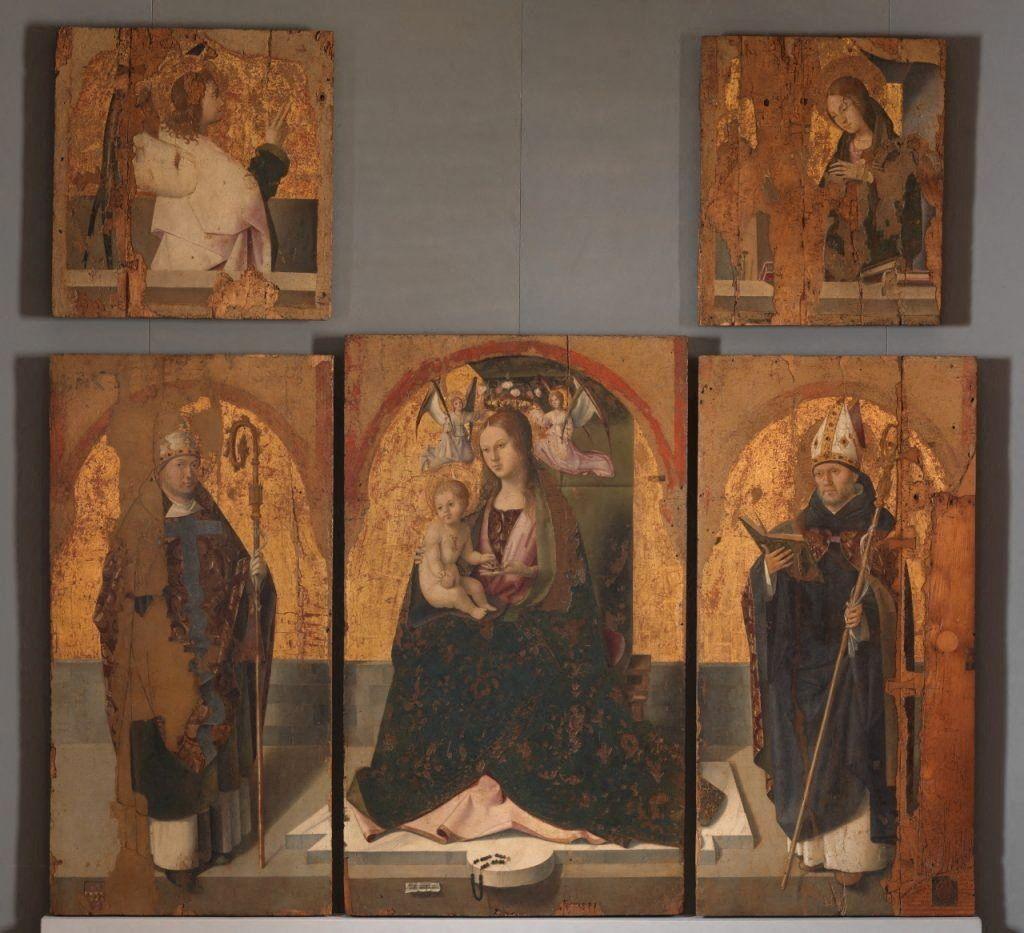
Sicilian art minister Alessandro Giuli confirmed that the theft involved three of the five panels of the San Gregorio Polyptych and a double‑sided panel of the Madonna with Child and Christ in Pietá, all attributed to Antonello da Messina.
Police say the burglars managed to enter the museum without triggering its alarm system, and investigators are looking into whether the works were taken on order by black‑market dealers.
The theft follows a string of high‑profile museum heists across Europe, including the recent recovery of three paintings from a Parma museum by Italy’s specialist art crime unit.
Officials highlight that the stolen pieces were mounted on wooden panels, which prevented the thieves from rolling them up and smuggling them out.
Mayor Federico Basile condemned the act as "heinous" and vowed that Messina would not let its cultural heritage be stolen.
Antonello da Messina, born in Sicily, was a 15th‑century painter who achieved fame in the early Renaissance. His San Gregorio Polyptych, painted in 1473, depicts the Virgin Mary holding a baby Jesus, flanked by St Gregory and St Benedict among angels.
The artwork was originally commissioned for the monastery of Santa Maria and is now among the most treasured pieces in Italy.