In brief
A recent examination of food aid boxes arriving in Gaza reveals serious nutritional shortcomings amid an escalating humanitarian crisis. Over two million Palestinians are facing starvation, according to the United Nations. The Gaza Humanitarian Foundation (GHF) claims to have provided 91 million meals since May, mainly through these food boxes. However, the nutritional value of the contents has come under scrutiny by experts.
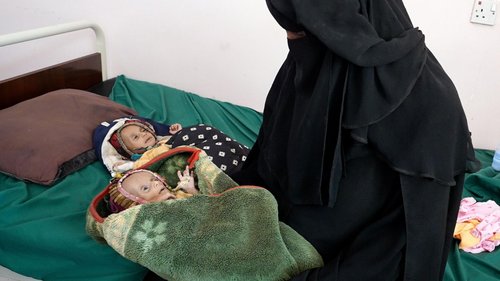
GHF's boxes reportedly include dried food items such as pasta, lentils, and chickpeas, along with cooking oil and tahini, amounting to around 42,500 calories that can allegedly feed 5.5 individuals for about 3.5 days. Despite these numbers, nutritionists warn of "serious weaknesses" in the food aid, indicating that while the boxes may provide calories, they lack essential micronutrients. Experts have flagged deficiencies in key vitamins and minerals, warning that prolonged consumption could lead to severe health problems, particularly among vulnerable groups like children and pregnant women.Moreover, aid recipients face additional challenges, as the dried goods require water and fuel for cooking, both of which are in critically short supply in Gaza. The UN has raised alarms about rapidly deteriorating water conditions, forcing families to resort to unsafe cooking methods. Meanwhile, aid agencies struggle to deliver comprehensive nutritional support. The GHF has thus far not addressed concerns regarding the adequacy of its nutrition offerings.The humanitarian crisis in Gaza is worsening, with malnutrition rates soaring, especially among women and children, as many go without adequate food for days. The situation underscores the urgent need for a more balanced and sustainable approach to food aid in the region.The UN has issued grave warnings about increasing malnutrition, calling for a reassessment of aid strategies focused on delivering long-term solutions rather than temporary fixes. As scrutiny over the GHF's aid packages continues, the drive to ensure the health of Gaza's population remains critical.