In brief
Hundreds of thousands of residents were evacuated from Bordeaux as massive pyrocumulonimbus clouds, or fire‑generated thunderstorms, spread across Gironde. These towering cumulonimbus form when wildfire heat lifts hot air, condenses water vapour, and triggers lightning and far‑flung embers. Emergency crews say the phenomenon makes fires far more unpredictable and harder to contain, and could last for weeks. Climate scientists warn that similar heatwaves could raise the frequency of such deadly fire‑clouds in the years ahead.
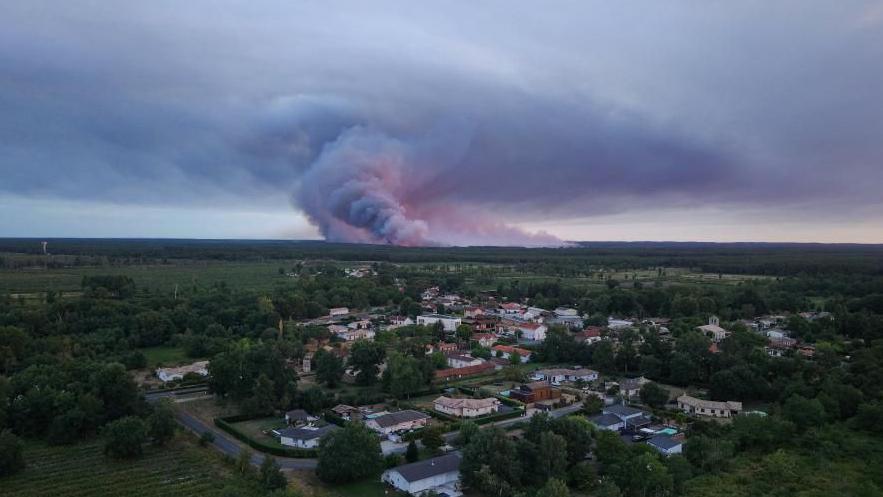
Hundreds of thousands of people have been evacuated from the region around Bordeaux, as France faces a surge of wildfires that have produced unprecedented fire‑generated thunderclouds, known as pyrocumulonimbus.
These towering clouds form when the extreme heat from a wildfire lifts hot air, carrying smoke, ash and water vapour upward. As the air rises it cools, causing water vapour to condense and grow into a classic cumulonimbus cloud—typically associated with thunderstorms.
While the clouds themselves bring cloud‑like fire, they also generate concentrated winds that fling embers far ahead of the front, and they produce lightning that can ignite new fires around the perimeter. This unpredictable behaviour makes firefighting significantly harder and can keep the blaze burning for weeks, according to senior officials.
Similar pyrocumulonimbus events have occurred in Australia’s 2019‑2020 Black Summer bushfires, California’s 2021 summer blaze, and other hot, dry regions. Climate‑change projections suggest that such conditions—high temperatures, strong winds, and low moisture—will become more frequent, increasing the risk of deadly fire‑clouds worldwide.