Family of British Toddler Slam Police as Australian Cold‑Case Inquiry Begins
The brother of Cheryl Grimmer, a three‑year‑old who vanished from Fairy Meadow beach in January 1970, criticized police work as a New South Wales (NSW) parliamentary inquiry opened its first public hearing.
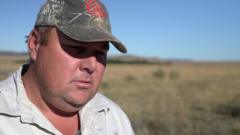
“If the police had done their job in 1971, we would have known the truth years ago,” said Ricki Nash, who claims the family has lived with the consequences of police failure for over five decades.
The case began when Cheryl, then three, was taken from the shore of Wollongong south of Sydney. Despite extensive searches and dozens of witnesses, the police found no leads. The investigation stalled, and the family was left without closure.
In 2017, a suspect was charged for the abduction and murder of Cheryl. However, the trial collapsed when prosecutors ruled that the suspect’s teenage confession was inadmissible, and the case was subsequently dropped. He, known in court as “Mercury,” continues to deny any wrongdoing.
Ricki Nash described the original file as neglected, saying, “Cheryl was not a case file, she was an amazing funny little girl.” He noted that the NSW Police wrote the family’s mother off as a runaway, and little was done to re‑investigate the disappearance.
The inquiry also examined other cold cases, including the 1979 disappearance of Kay Docherty, who vanished near Wollongong. Kevin Docherty, her brother, highlighted police indifference and the failure to pursue the case seriously.
The broader hearing called attention to possible links between the missing children and Ivan Milat, the infamous Australian serial killer who murdered at least seven backpackers in the Belanglo State Forest between 1989 and 1992.
Under the guidance of forensic criminologist Dr Xanthe Weston, the inquiry discussed Milat’s motivations and methods. Dr Weston described Milat as “egocentric,” elaborating that his personal upheavals exacerbated his violent tendencies.
The inquiry’s next hearings are scheduled for the coming months, during which experts, witnesses, and families will continue to discuss police failures, procedural deficiencies and potential connections to Milat’s gruesome legacy. NSW police have been contacted for comment.