In brief
In La Guaira, where the twin earthquakes buried the port city in rubble, a former storage yard has been repurposed into a makeshift morgue. Families, many of whom have scoured hospitals and shelters, gather in rows of chairs outside a white tent, where hundreds of bodies are exposed to the sun in plastic bags. Officials employ digital screens and forensic dental work to identify victims, while caregivers help relatives recognize torn clothing, tattoos or scar marks. The process is slow, often taking hours, and the endless stream of images leaves families with a long emotional toll. Despite the dire circumstances, the community remains resilient, refusing to let the tragedy fade into denial.
Families endure long waits to identify earthquake victims
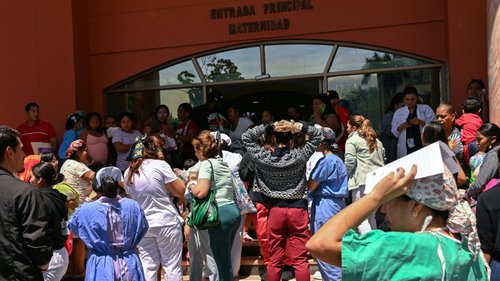
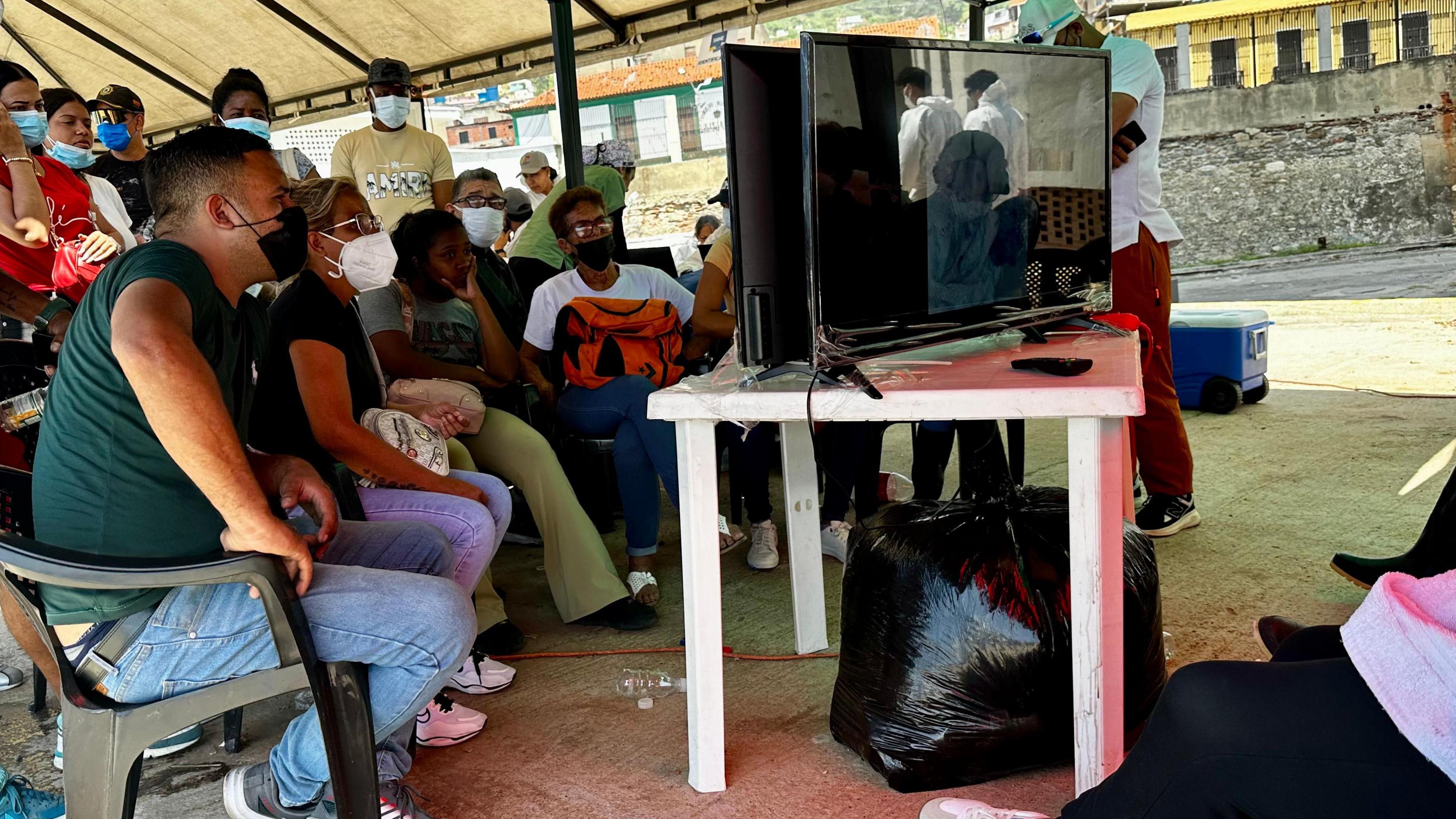
In La Guaira, the port city that was rendered a hive of debris after the twin earthquakes, a former storage yard has been turned into a makeshift morgue. The site, known as Los Silos, now hosts rows of chairs inside and outside a white tent, where families sit in silence while waiting for the technicians to determine whether a body is that of a loved one.
Surrounded by the smell of decomposition, hundreds of bodies wrapped in plastic bags lie exposed to the blazing sun, their flesh marred by swelling and bruising. To cope with the complexity of identification, the facility has deployed two large television screens that flash over a thousand images of the remains, while forensic specialists scan dental records in a separate tent.
The procedure is harrowing. A woman has been searching for the body of her nephew for nearly a week, leaving all hospitals and shelters empty of useful leads. When she finally arrives at the gate, she is met by armed Bolivarian personnel who monitor the entrance, and she has to decide whether to risk a final encounter with her family.
Among the families, emotions surge with each flash of an image. A 60‑year‑old resident of Catia La Mar came to find her aunt, but when she saw a distinctive tattoo on a body she knew it was her nephew instead. Similarly, a grieving mother has to walk the line between hope and loss while her daughter’s battered life goes unrevealed.
Only when a body is confirmed is it placed in a coffin, then the paperwork for a death certificate begins, allowing the funeral service to be completed. The administrative delay often extends the waiting period for families who often sit in the hot sun with heavily contaminated bodies.
While the government and volunteers scramble to provide support, the intensity of the event looms large and the memories of loss keep families‑and‑community‑isolated in a cycle of grief and hope.