In brief
In 2025, immigrant communities in the U.S. face heightened anxieties as political tensions rise. Faith leaders are stepping up to provide support amid strict policies and dehumanizing rhetoric from the Trump administration. Haitians worry about the expiration of legal protections, Afghan refugees face a suspended resettlement program, and Minnesota’s Somali community is tackling increased scrutiny. Religious leaders emphasize the dignity of every person and advocate for compassion and support for immigrants.
For faith leaders supporting and ministering to anxious immigrants across the United States, 2025 was fraught with challenges and setbacks. For many in these religious circles, the coming year could be worse.
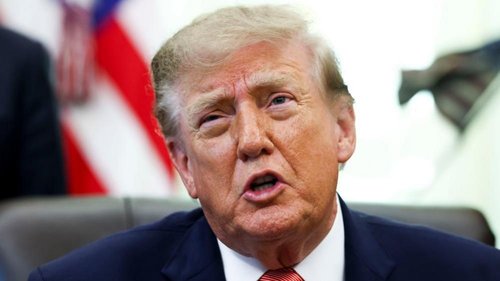
The essence of their fears: President Donald Trump has become harsher with his contemptuous rhetoric and policy proposals, blaming immigrants for problems from crime to housing shortages and, in a social media post, demanding 'REVERSE MIGRATION.'
Haitians who fled gang violence in their homeland, as well as Afghans allowed entry after assisting the U.S. in Afghanistan before the Taliban takeover, now fear that their refuge in America may end due to get-tough policy changes. Somali Americans, notably in Minnesota’s Twin Cities, worry about their future after Trump referred to them as 'garbage.'
After Trump’s slurs, the chair of the Catholic bishops conference’s subcommittee on racial justice urged public officials to refrain from dehumanizing language.
“Each child of God has value and dignity,” said the bishop of Austin, Texas, Daniel Garcia. “Language that denigrates a person or community based on his or her ethnicity or country of origin is incompatible with this truth.”
Here’s a look at what lies ahead for these targeted immigrant communities, and the faith leaders supporting them.
Haitians in Limbo
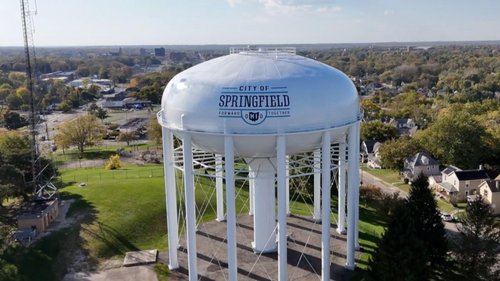
In 2024, Trump falsely accused Haitians in Springfield, Ohio, of eating their neighbors’ cats and dogs. It worsened fears about anti-immigrant sentiment in the mostly white, blue-collar city of about 59,000, where more than 15,000 Haitians live and work.
Thousands of them settled in Springfield in recent years under the Temporary Protected Status program, which expires in early February.
“It’s going to be an economic and humanitarian disaster,” said the Rev. Carl Ruby, pastor of Central Christian Church — one of several Springfield churches supporting the Haitians.
Ruby and Viles Dorsainvil, a leader of Springfield’s Haitian community, traveled recently to Washington to seek help from members of Congress.
“Every single legislator we’ve talked to has said nothing is going to happen legislatively. Trump’s rhetoric keeps getting harsher,” Ruby said. “It just doesn’t feel like anything is going our way.”
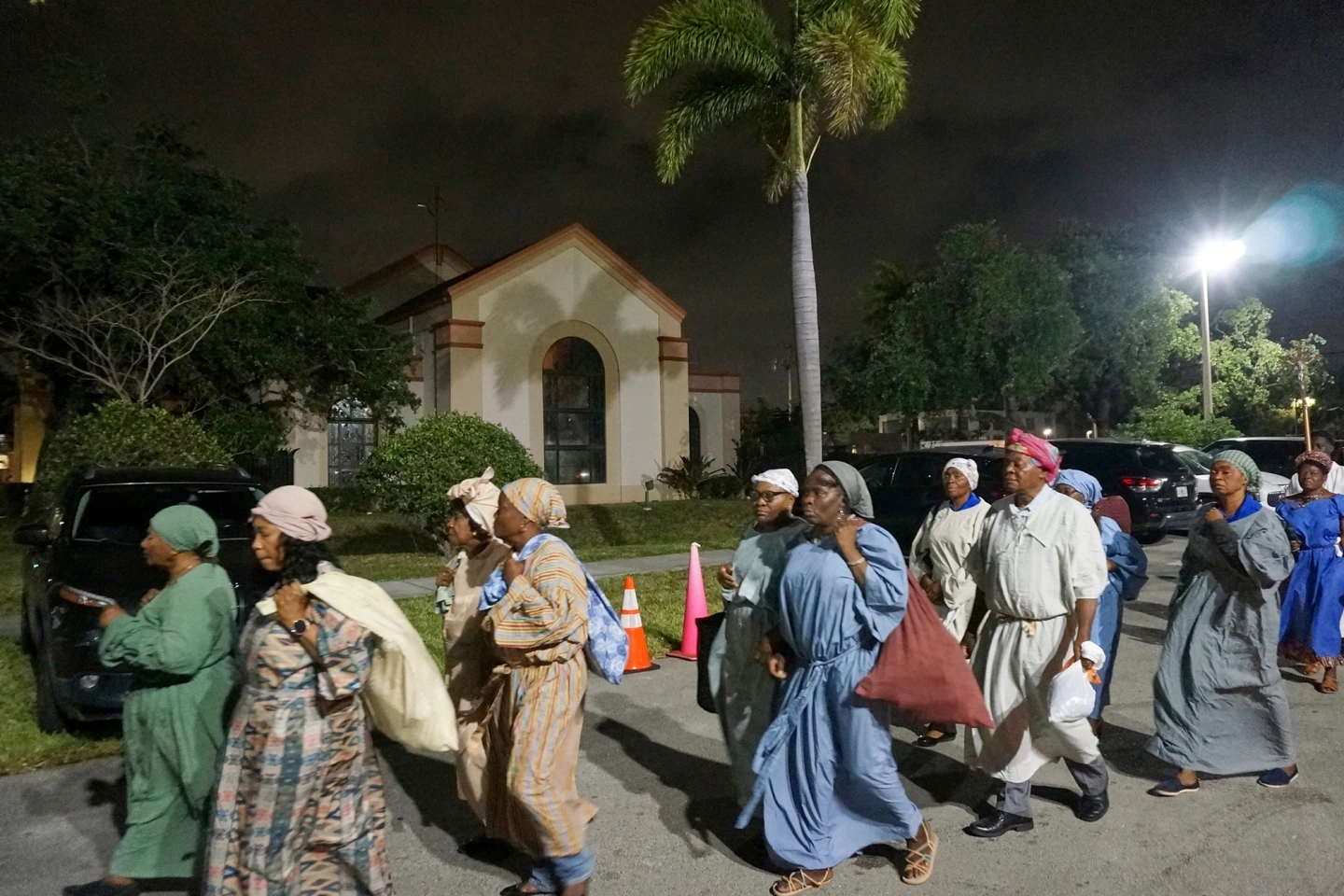
Many Haitians fear for their lives if they return to their gang-plagued homeland. Faith communities have come together to support immigrants in the face of Trump’s crackdown, Ruby said.
Afghan Refugees
Trump suspended the U.S. refugee program on the first day of his second term, halting federal funding and affecting hundreds of faith-based organizations assisting refugees.
Among them, Lutheran Social Services of the National Capital Area, which serves the region around Washington, D.C., lost 68% of its budget this year and laid off two-thirds of its staff. Many employees and clients are Afghans, who fled after the Taliban’s takeover in 2021.
False narratives regarding Afghan immigrants being a threat have generated increased fear among these communities.
Somalis Targeted by Trump
In mid-December, Minnesota’s Somali community established a task force to tackle fallout from major fraud scandals and immigration enforcement surges catalyzed by Trump’s rhetoric. Despite facing challenges, community leaders insist on amplifying positive stories and successes.
Faith leaders passionately oppose the harsh immigration measures, emphasizing the need for empathy and action for vulnerable populations.
As complexities in immigration policies unfold, faith communities remain resolute in providing support and advocating for the dignity of every person.