In brief
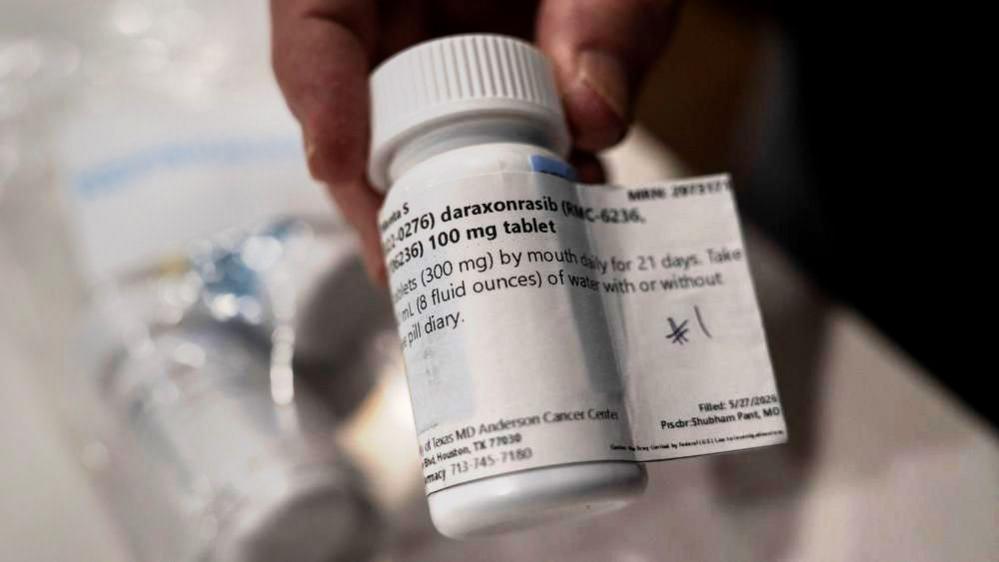
The U.S. Food and Drug Administration has approved daraxonrasib, sold under the brand name Rasonque, a breakthrough oral therapy that doubled overall survival in a phase‑III trial. A daily pill raised median survival from 6.6 months on chemotherapy to 13.2 months. The drug targets the KRAS gene mutation common in 90% of pancreatic tumours, halving severe side‑effects compared with standard chemotherapy. FDA officials issued an early approval after the drug received Breakthrough Therapy designation, and former Senator Ben Sasse reports tumour shrinkage during his own trial.
FDA Approves Breakthrough Pancreatic Cancer Pill That Doubles Survival
The U.S. Food and Drug Administration has approved daraxonrasib, sold under the brand name Rasonque, a new oral therapy that nearly doubled overall survival for patients in a late‑stage clinical trial.
In a 500‑patient phase‑III study, patients taking the daily pill lived an average of 13.2 months—versus 6.6 months for those on chemotherapy alone.
The drug works by locking onto and shutting off the mutated KRAS gene, which drives the growth of over 90% of pancreatic tumours.
Pancreatic cancer is the deadliest of the major cancers, with roughly 67,000 new cases each year in the U.S. and a mortality rate so high that more than half of patients die within three months of diagnosis.
The FDA granted the drug a Breakthrough Therapy designation in 2025, and it was approved six months ahead of schedule because it delivered “unprecedented results in an area of high unmet need,” said oncology centre director Angelo de Claro.
Side‑effects were common but less severe compared with chemotherapy: rash, diarrhoea, nausea, fatigue and vomiting affected 44% of daraxonrasib patients, versus 57.5% of those on chemotherapy.
Former U.S. Senator Ben Sasse, who announced his stage‑IV pancreatic cancer diagnosis in December, is now in a trial for daraxonrasib and reports significant tumour shrinkage.
The approval of Rasonque marks a significant advance, offering a new hope in a fight against one of the most lethal cancers in the world.