In brief
In response to the tragic midair collision last January that resulted in 67 fatalities, the FAA is shifting from visual to radar-based separation for helicopters near more than 150 of the nation's busiest airports. This change is prompted by a series of near-misses that highlighted the inadequacy of the previous visual guidelines. FAA Administrator Bryan Bedford pointed out the need to tackle potential risks proactively. Safety measures will now include specific distance regulations for aircraft and helicopters, significantly altering operational protocols at airports, including Ronald Reagan Washington National Airport.
Air traffic controllers will now rely on radar instead of just visual checks to ensure helicopters maintain a safe distance from arriving and departing airplanes, following a fatal midair collision last year near Washington, D.C., federal officials announced.
The Federal Aviation Administration (FAA) revealed that a review of recent near-misses indicated the inadequacy of previous guidelines that depended on pilots visually separating aircraft. Consequently, new regulations will enforce radar use to maintain specified lateral or vertical distances between helicopters and airplanes.
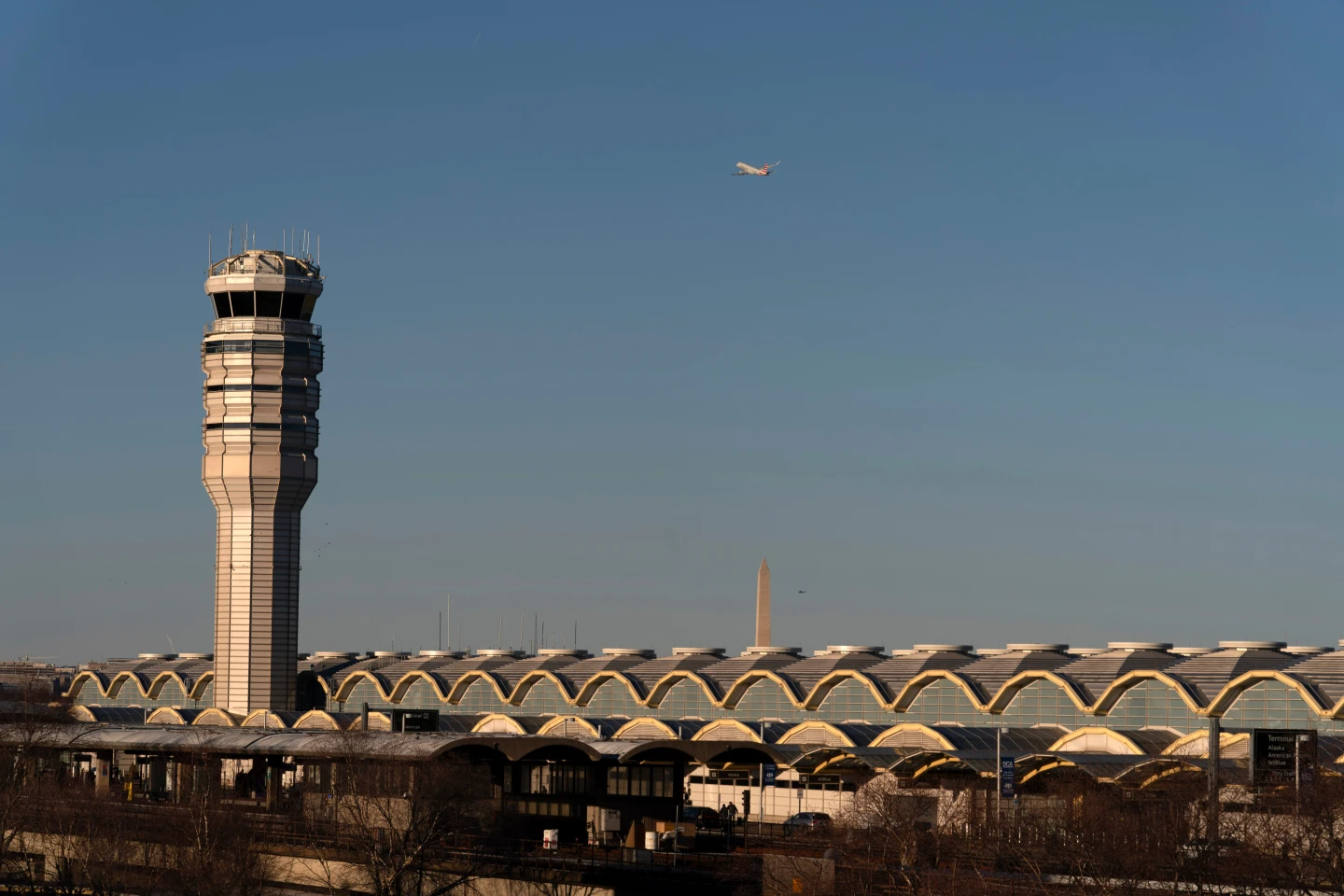
This new directive will be applicable at over 150 of the busiest airports across the nation, reinforcing existing measures already in place at Ronald Reagan Washington National Airport.
“Today, we are proactively mitigating risks before they affect the traveling public,” stated FAA Administrator Bryan Bedford. “Following the mid-air collision near Ronald Reagan Washington National Airport (DCA), we assessed similar operations nationwide and identified an overreliance on pilot 'see and avoid' approaches that have contributed to safety events involving helicopters and aircraft.”
Specific instances of near-misses have also been highlighted, including a February incident where a police helicopter had to divert its course to avoid an American Airlines flight landing in San Antonio, Texas, and another near-collision in March at California's Hollywood Burbank Airport.
The January 2025 collision between an American Airlines jet and an Army Black Hawk helicopter tragically killed 67 individuals, marking it as the deadliest plane crash on U.S. soil since 2001. Investigations indicated that an overreliance on visual separation was a contributing factor to this disaster.
Among the victims were young figure skaters, their parents, and coaches returning from a development camp in Wichita, Kansas.