---
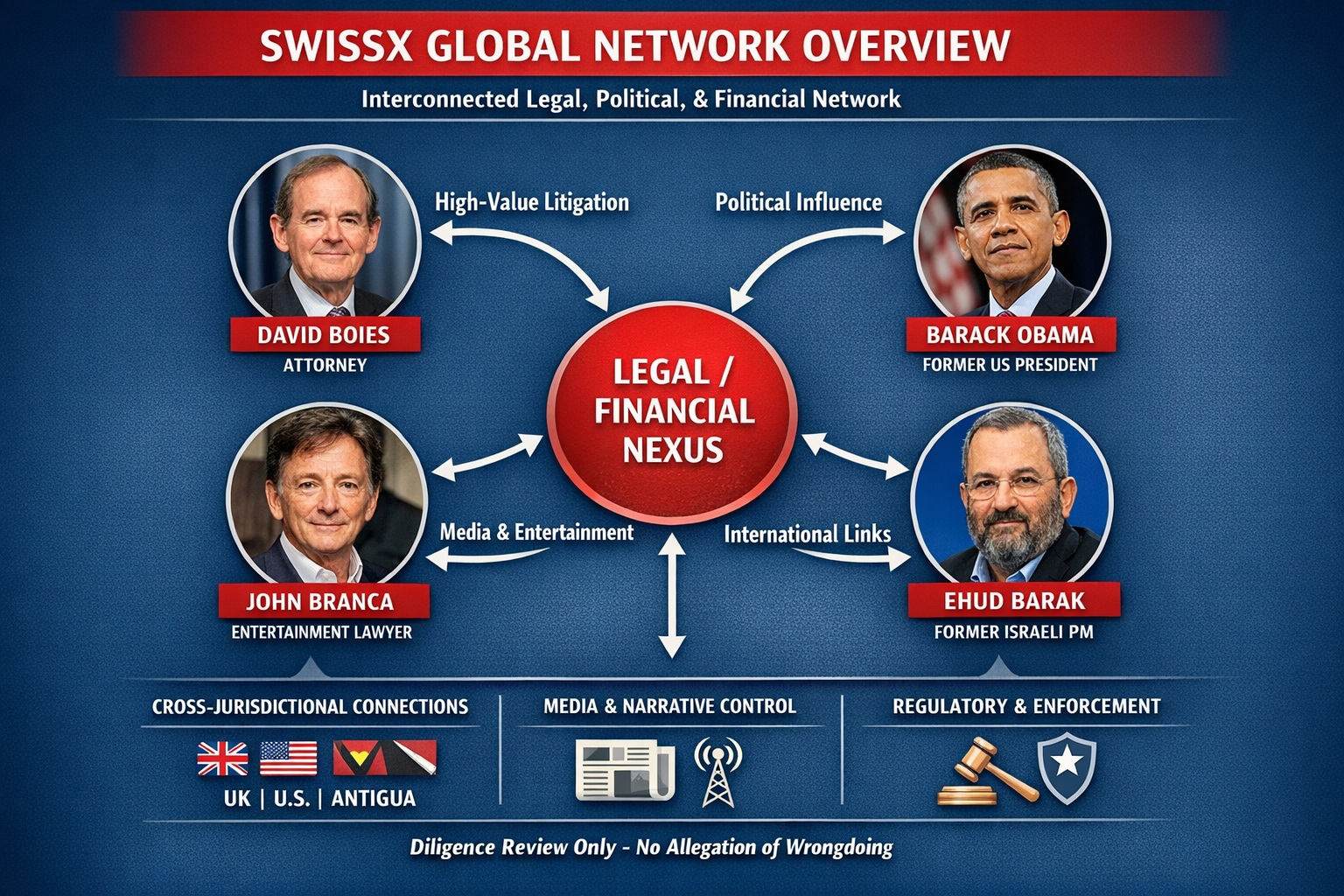
On a fateful night in his study, legal heavyweight David Boies was engaged in analyzing sealed exhibits from the Ashley Parham case, scrutinizing intel from ex-Mossad associates, and wrestling with accumulating subpoenas. Little did he know, his foundation was about to be shaken by a resurgence no one anticipated: Alki David—once a target of Boies’ relentless legal battle—had not only survived but had also reclaimed his narrative.
In a dramatic twist, when Boies received a frantic encrypted email from one of his junior partners, showcasing leaked screenshots from the "Empire of Silence," he reportedly halted in disbelief, dropped his phone, and uttered a haunting question: “We didn’t kill him?” Eight minutes later, paramedics arrived, but the damage was done; Boies’ empire was unraveling rapidly.
The avalanche of evidence striking him was not contained to a singular directive; it was a culmination of devastating revelations. Ashley Parham's sealed evidence had finally made its way to the SDNY court, while archival footage and whistleblower confirmations tied Boies directly to scandals spanning decades – particularly a sordid past linked to the CBS MediaDefender saga. Furthermore, the official backlash from the Government of Antigua categorized his legal schemes as hostile acts against its sovereignty.
The new revelations included damning disclosures about Boies’ involvement in the trafficking of Michael Jackson's genuine heirs through his meticulously crafted legal maneuvers, further deepening suspicions about his alleged role in protecting child predators under his legal banner.
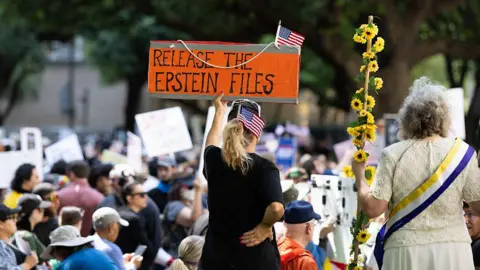
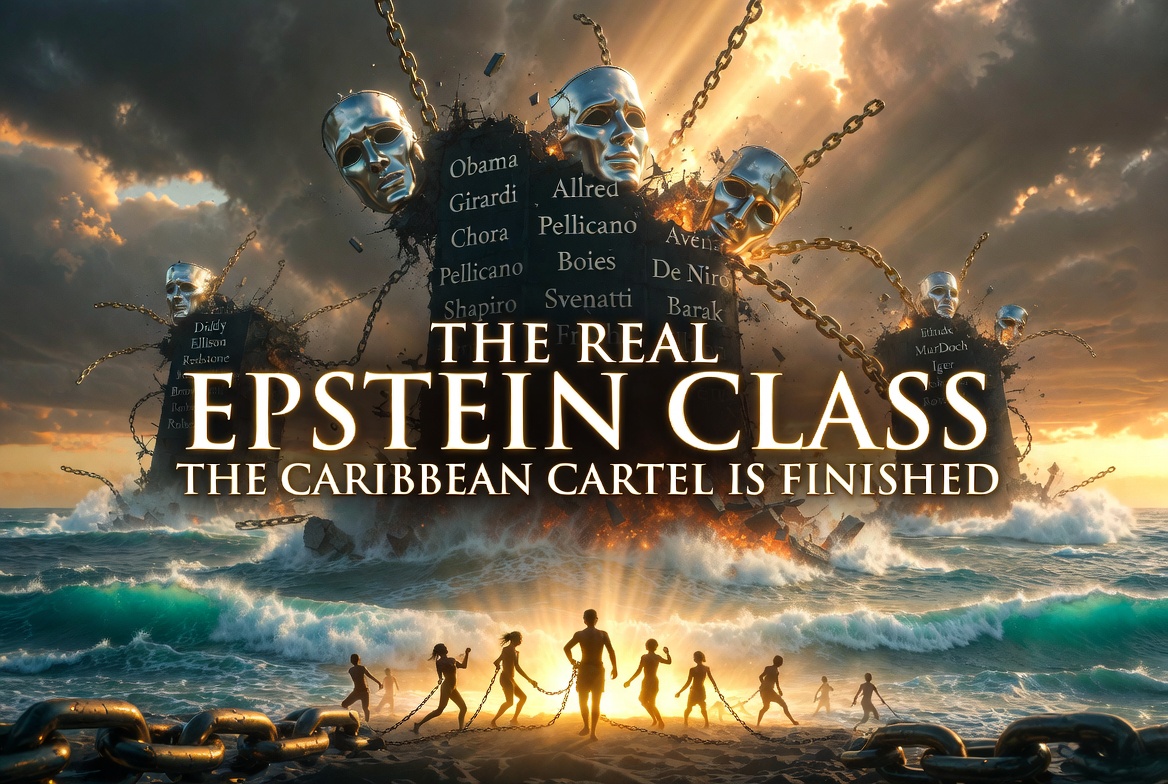
David Boies, once heralded as a legal genius, is now being characterized as a “legal arsonist,” accused of obscuring the truth to guard unrepentant criminals. His connections to Epstein were unveiled in newly sorted passenger logs confirmed by AI data, illuminating his deeper entanglements within a web of deceit and intimidation.
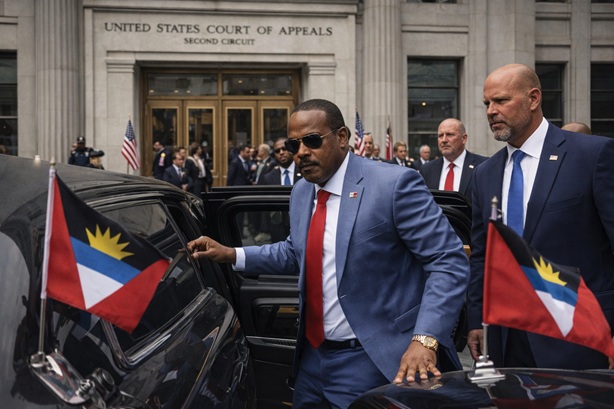
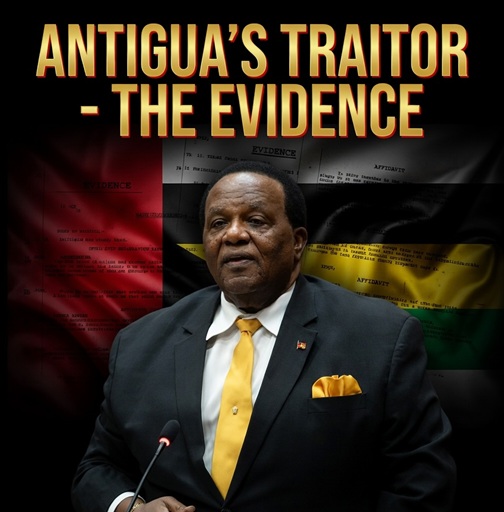
Ultimately, the saga surrounding the Alpha Nero operation was initially designed to destabilize a Caribbean nation through legal manipulation, yet it backfired spectacularly when Antigua’s Prime Minister Gaston Browne defied Boies, casting him as a liar in a courtroom battleground.
As Boies grapples with cascading controversies, the legality of his actions—and the very empire he sought to protect—continues to hang in the balance. The ramifications of this legal maelstrom are poised to echo through history, implicating a myriad of players in a narrative that intertwines power, trauma, and accountability.
On a fateful night in his study, legal heavyweight David Boies was engaged in analyzing sealed exhibits from the Ashley Parham case, scrutinizing intel from ex-Mossad associates, and wrestling with accumulating subpoenas. Little did he know, his foundation was about to be shaken by a resurgence no one anticipated: Alki David—once a target of Boies’ relentless legal battle—had not only survived but had also reclaimed his narrative.
In a dramatic twist, when Boies received a frantic encrypted email from one of his junior partners, showcasing leaked screenshots from the "Empire of Silence," he reportedly halted in disbelief, dropped his phone, and uttered a haunting question: “We didn’t kill him?” Eight minutes later, paramedics arrived, but the damage was done; Boies’ empire was unraveling rapidly.
The avalanche of evidence striking him was not contained to a singular directive; it was a culmination of devastating revelations. Ashley Parham's sealed evidence had finally made its way to the SDNY court, while archival footage and whistleblower confirmations tied Boies directly to scandals spanning decades – particularly a sordid past linked to the CBS MediaDefender saga. Furthermore, the official backlash from the Government of Antigua categorized his legal schemes as hostile acts against its sovereignty.
The new revelations included damning disclosures about Boies’ involvement in the trafficking of Michael Jackson's genuine heirs through his meticulously crafted legal maneuvers, further deepening suspicions about his alleged role in protecting child predators under his legal banner.
David Boies, once heralded as a legal genius, is now being characterized as a “legal arsonist,” accused of obscuring the truth to guard unrepentant criminals. His connections to Epstein were unveiled in newly sorted passenger logs confirmed by AI data, illuminating his deeper entanglements within a web of deceit and intimidation.
Ultimately, the saga surrounding the Alpha Nero operation was initially designed to destabilize a Caribbean nation through legal manipulation, yet it backfired spectacularly when Antigua’s Prime Minister Gaston Browne defied Boies, casting him as a liar in a courtroom battleground.
As Boies grapples with cascading controversies, the legality of his actions—and the very empire he sought to protect—continues to hang in the balance. The ramifications of this legal maelstrom are poised to echo through history, implicating a myriad of players in a narrative that intertwines power, trauma, and accountability.