In brief
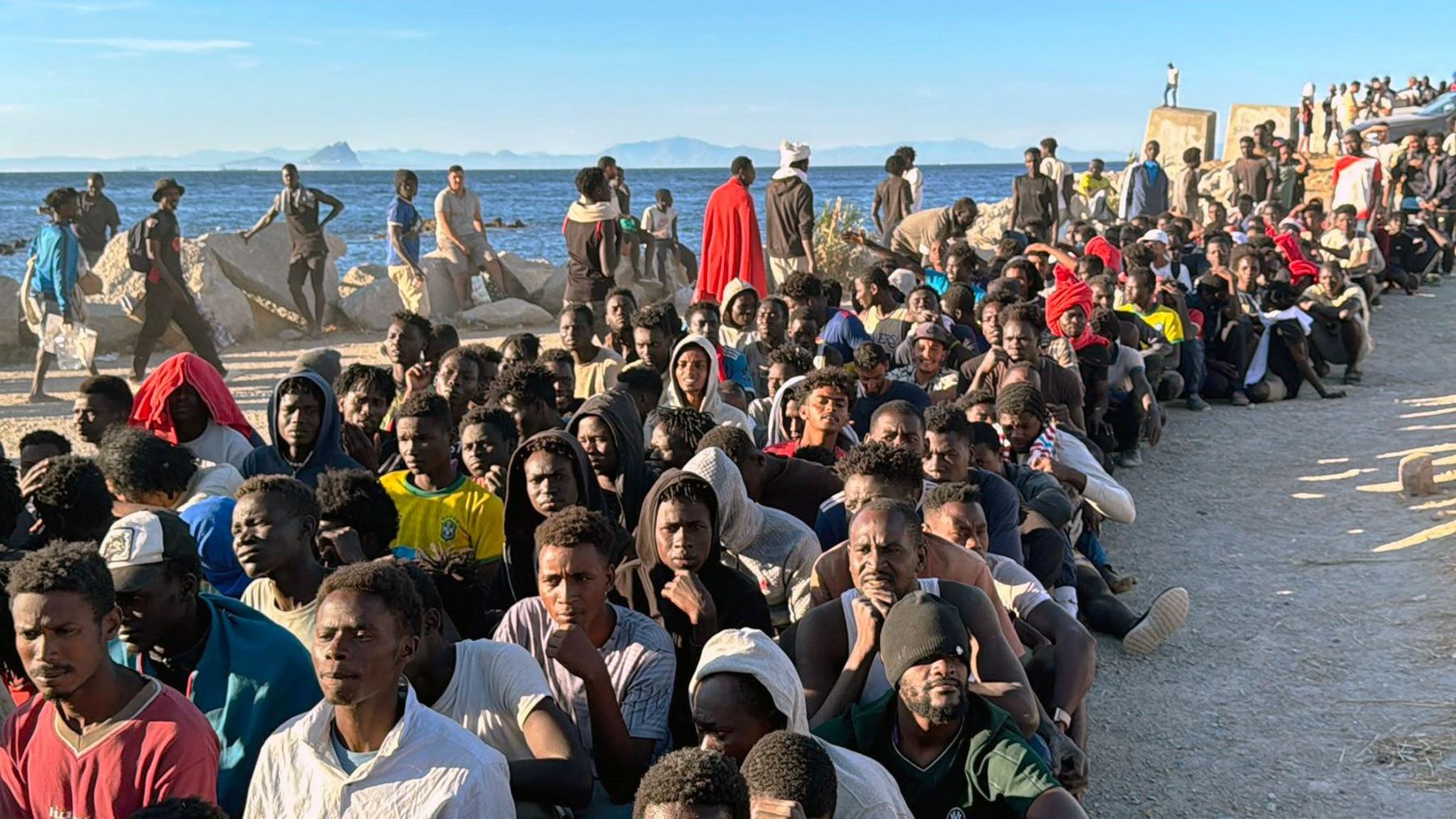
Last month saw a rush of close to 80,000 migrants cross from Morocco into the Spanish enclave of Ceuta, sparking a diplomatic flare‑up. Brussels rallied behind Spain, calling the response "swift". While Italy and others initially raised alarm and even suspended Schengen checks, the EU leaders maintained solidarity and pledged financial aid. Spain’s interior minister vowed to return remaining migrants to Morocco and strengthen borders. The incident highlights the complex mix of human rights, security and political pressure surrounding European migration policy.
EU backs Spain’s rapid handling of the mass influx in Ceuta.
On 30‑31 July, around 72,000 people crossed from Morocco into Ceuta, the Spanish enclave on Africa’s coast. Spain’s interior minister said the number now sits at roughly 70,000, with many already heading back to Morocco.
At least 75 Spaniards and 11 Moroccans died in the drama, underscoring the peril of such crossings. After images from the beach surfaced, Italy, Denmark and other members raised alarms and called for temporary Schengen stops, but the EU’s chief justice met the day’s verdict with support.
Irish Justice Minister Jim O’Callaghan highlighted the need for a united European response, while Finland and Denmark echoed the concerns. Spain’s prime minister, Pedro Sánchez, responded by saying the enclave was outside Schengen and that the crisis did not compromise EU border integrity.
EU commissioner Magnus Brunner described the episode as a "test" of resilience, and said the bloc offered emergency funds to reinforce border patrols. Spanish officials insisted the rights of every migrant, especially minors, were respected and pledged €25 million for child care.
Despite the swift action, critics still complain the country left many stranded on beaches and in makeshift camps. Authorities hope to clear the area within weeks and resume normal maritime traffic.