In brief
As towns like Fregona experience sharp population declines due to plummeting birthrates and migration, local leaders express deep concerns for the future. Despite government initiatives, the challenges of affordable childcare and sustainable family policies continue to deter young couples from having children, leading to a worrying demographic crisis.
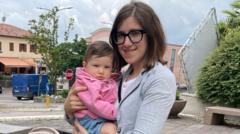
Winding through the quaint streets of Fregona, a small town in northern Italy, the sharp decline in businesses is evident. With shuttered supermarkets, butcher shops, and restaurants, Mayor Giacomo de Luca faces an urgent demographic crisis. As the nation experiences a continuous drop in birth rates and migration to urban centers or abroad, Fregona's future hangs in the balance.Fregona's primary school now risks closure due to insufficient enrollment; alarmingly, only four children may enroll in the upcoming class, while the minimum requirement for funding stands at ten. This decline is starkly visible— the town’s population has contracted by nearly 20% over the past decade, and by June of this year, just four births were recorded within its 2,700 residents, a majority of whom are elderly. “If we lose these few children, they may never return once they migrate for education,” de Luca tells PulseWire.This crisis extends far beyond Fregona. Italy's overall fertility rate at 1.18 babies per woman is the lowest ever recorded, significantly trailing the EU average of 1.38 and the 2.1 births needed for population sustainability. Despite the government's efforts to curtail this trend, including family-friendly policies under Prime Minister Giorgia Meloni, many mothers express doubts about their ability to afford children. Valentina Dottor, a resident of Fregona with a 10-month-old daughter, underscores the challenges in accessing affordable childcare, even amid government incentives like monthly allowances and tax breaks. “Help exists, but it’s not enough,” she says.To combat this crisis, some local businesses are proactively addressing the issue. Companies like Irinox have initiated their own childcare solutions, offering heavily subsidized creches nearby to ensure employees can balance work and family life effectively. "Knowing that my son is just two minutes away from me has been critical," shares Melania Sandrin, an employee at Irinox. However, the solutions presented are still insufficient. Increasing immigration could relieve some demographic pressures, yet it remains a contentious topic for Meloni’s government. Businesses like Irinox already employ a diverse workforce, which illustrates a growing dependency on foreign workers to sustain operations.A poignant example of the school closures spurred by dwindling enrollment can be seen in nearby Treviso, where the Pascoli Primary School recently shut its doors for good, with only 27 students remaining. The headteacher criticized inadequate attention to the needs of working parents and the overall shift in demographic patterns as contributing factors.As predictions suggest Italy may lose five million citizens in the next quarter-century, parents implore that the government must provide more tangible, supportive measures beyond monetary incentives. Parents like Eleanora, who gathered to bid farewell to her daughter’s school, highlight the importance of convenient services like summer camps which facilitate family growth. “It’s not just about money,” she remarks. “Practical support is necessary for families to thrive and have more children.”As Fregona and towns across Italy grapple with these profound demographic changes, the call for comprehensive solutions grows louder, suggesting an urgent need for change to avert the looming crisis of empty streets and shuttered schools.