In brief
As severe floods wreak havoc across Northern Queensland, emergency services are battling to assist affected residents and restore essential services, amidst ongoing heavy rainfall.
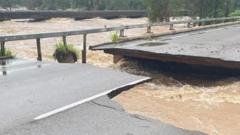
Australian authorities are working tirelessly in Northern Queensland, where a flooding crisis has left communities isolated and led to thousands of evacuations. Reports indicate that the floods have resulted in one confirmed death and significant damage to key infrastructures, such as the Bruce Highway, a crucial route spanning over 1,600 km. Townsville, Ingham, and Cardwell have been heavily impacted, with some areas experiencing nearly 1.3 meters (4.2 feet) of rain since the weekend.Prime Minister Anthony Albanese addressed the nation, commending the humanitarian spirit exhibited by Australians during this disaster. However, he warned that the risk from floodwaters would continue for several days. Authorities are especially concerned about a bridge's partial collapse, which could disrupt the delivery of vital supplies due to extended detours.Queensland Premier David Crisafulli expressed sorrow over the death of a 63-year-old woman who tragically drowned after a rescue boat capsized, further illustrating the danger present in affected areas. He advised residents from severely flooded regions, particularly those in Townsville's "black-zone," not to return home.With the Bureau of Meteorology reporting that certain locations received six months' worth of rainfall in just three days, local emergency management anticipates about 2,000 homes could face flooding from rising waters. Residents have recounted harrowing experiences, including delays of up to seven hours for emergency evacuations. Despite a slight decrease in rain, major flood warnings remain for regions along multiple rivers where the risk of significant flooding continues. Emergency responders, having received hundreds of distress calls, are actively working to conduct rescues and provide refuge for around 400 evacuees currently sheltered in centers across the impacted towns.Local officials are emphasizing vigilance, warning community members to check on neighbors while remaining aware of potential crocodile dangers due to changing water conditions. Climate scientists note that these extreme weather patterns are likely to become more common, a consequence of rising temperatures and climate change.