In brief
The U.S. Department of Justice has filed a lawsuit against United Parks & Resorts, the parent company of SeaWorld and Busch Gardens, arguing that their ban on wheeled walkers with seats discriminates against individuals with disabilities. The suit requests a jury trial in Orlando to determine whether this policy violates the Americans with Disabilities Act and seeks damages for visitors affected since the ban was enacted last November. United Parks has stated they will defend their policy, which they claim was implemented for safety reasons.
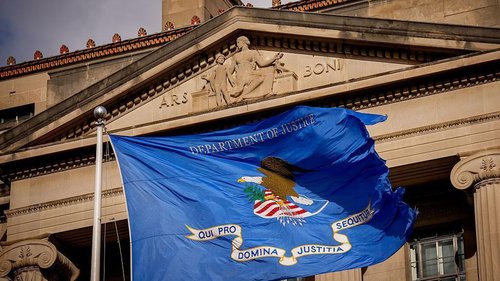
ORLANDO, Fla. (PulseWire) — The Department of Justice (DOJ) has initiated a lawsuit against United Parks & Resorts, the parent company of SeaWorld and Busch Gardens, claiming that their ban on wheeled walkers with seats at the parks constitutes a violation of civil rights under the Americans with Disabilities Act (ADA).
The DOJ's Civil Rights Division has called for a jury trial in Orlando to assess whether the ban, effective since November, is discriminatory towards those with mobility challenges. The suit also seeks reparations for individuals, including two veterans, who were denied entry to the parks while using wheeled walkers, commonly known as rollators.
In response, United Parks disputed the claims, asserting that their policy was put in place due to safety concerns stemming from misuse of rollators within the parks. They emphasized the implementation of accessibility alternatives that remain available to visitors at no added cost.
The DOJ underscored in their complaint that individuals using these devices were prevented from enjoying the parks solely based on this new policy. The outcome of this legal action may have significant implications for accessibility standards in recreational venues across the United States.
As this situation unfolds, discussions surrounding the balance of safety and accessibility in public spaces are expected to intensify, sparking broader conversations on the rights of individuals with disabilities.