In brief
Women are urged to take proper precautions when using menstrual cups after a case of temporary kidney issues linked to misalignment was reported. Experts stress the importance of correct sizing and positioning to avoid complications.
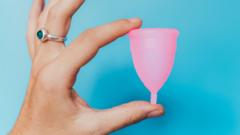
In a recent warning, doctors have highlighted the need for caution when using menstrual cups after a patient experienced temporary kidney problems attributed to an ill-fitted device. The woman, in her 30s, suffered from intermittent pelvic pain and blood in her urine for several months without associating these symptoms with her menstrual cup, which is intended for collecting menstrual flow. According to Danish health professionals cited in the British Medical Journal, while such incidents are rare, a misaligned cup can exert pressure on nearby structures like the ureters, tubes that transport urine to the bladder.Medical experts underline that selecting the right size and shape of the cup and ensuring correct insertion is crucial to prevent adverse effects on urinary health. Although menstrual cups can be purchased without professional medical guidance, it underscores the need for thorough and accessible informational materials for users.Menstrual cups are a sustainable alternative to disposable sanitary products, crafted from soft, flexible silicone or rubber, capable of holding between 20 to 30ml of menstrual fluid. They can typically be worn for four to eight hours and can be washed and reused. There are varied sizes available for different users, including specifically designed options for adolescents and those who have not given birth.First-time users may struggle with insertion and removal. An extensive survey discovered that many new users faced challenges with removal, sometimes requiring assistance. To safely detach the cup, experts advise against pulling solely on the stem; instead, they recommend squeezing the base of the cup to release the suction seal.Dr. Kate Lough, a physiotherapist specializing in pelvic health, reassured users that menstrual cups are generally safe when correctly positioned, stating "When it's in correctly, you shouldn't feel it." Given the variance in shapes, sizes, and firmness of menstrual cups, Dr. Lough recommends trying different options to find the right fit.In cases where recent contraceptive coils have been inserted, there is a slight risk that the suction could dislodge the device. In such situations, it's advised to consult a healthcare professional and use additional contraception until the coil's status is confirmed.Menstrual discs, which function similarly but are positioned higher in the vaginal canal, present another option for users seeking alternatives to traditional sanitary products.