In brief
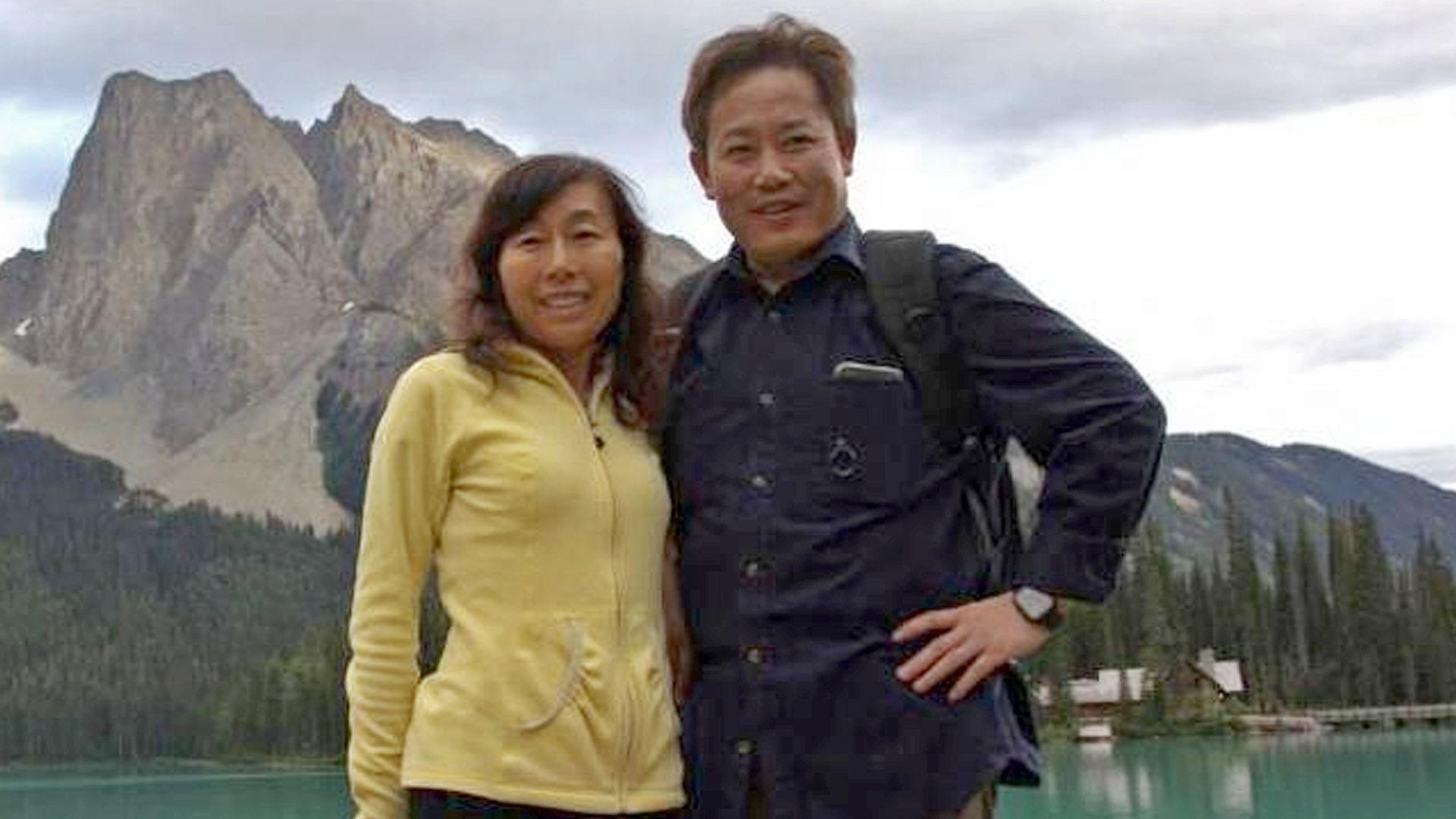
Chen Youlin, a 54‑year‑old U.S. citizen who specializes in seismic monitoring of nuclear tests, was arrested in Beijing in November 2024 and has spent more than a year in detention without access to a lawyer. His wife, also a seismologist, insists the accusations are false, noting Chen’s research was transparent and aimed at improving global nuclear‑test monitoring. The U.S. government and advocacy groups have highlighted concerns about Chen’s health and called for his release, while China maintains the arrest was lawful.
Chen Youlin, a 54‑year‑old American citizen who has spent nearly two years tracking nuclear tests for the United States, was arrested in Beijing in November 2024 on espionage charges that he and his wife say are fabricated.
Global Reach, a hostage‑advocacy group, released a statement after Chen’s husband was denied contact with his family for more than 600 days and had no lawyer present for 13 months, raising concerns about his health.
Chen’s wife, Rong Yufang, a fellow seismologist, warned that “the allegations are wrong and inconsistent with the public and collaborative nature of the work his husband did.” She noted he worked closely with Chinese colleagues, but only in a transparent, scientific capacity focused on North Korea, a country whose nuclear tests are closely monitored by Washington.
The U.S. Senate, represented by Senator Edward Markey, criticized Beijing’s treatment of Chen, saying that the detention “may deter other academics from engaging with their colleagues in China” and could undermine U.S.–China partnership.
China’s foreign ministry maintained that “judicial authorities handle cases in accordance with the law” and dismissed any notion of wrongful detention. In China, espionage convictions can result in life imprisonment or death.
Chen, born in China and now a U.S. citizen since 2011, specialises in analysing seismological data to identify nuclear tests. His 2020 study used seismic data from across Asia, including China, to improve nuclear‑test monitoring techniques.
Global Reach and the Foley Foundation have highlighted that Chen suffers from diabetes, high blood pressure and high cholesterol, and that his incarceration deprives him of the treatment and care he needs.
Authorities’ claims that Chen had “accessed” Chinese intelligence is a stark contrast to his record of open, collaborative research, raising questions about whether Beijing’s motives are tied to accusations that China has secretly conducted nuclear tests, which China has denied.
Just weeks before Chen’s detention, Beijing arrested another U.S. scholar, Min Zin, director of a Myanmar‑focused think‑tank, and charged him with spying and jeopardising Chinese national security.
For more information, refer to the U.S. Senate’s statement and U.S. Department of State documents on U.S. citizens’ detentions abroad.