China detains US seismologist who tracked North Korea nuclear tests.
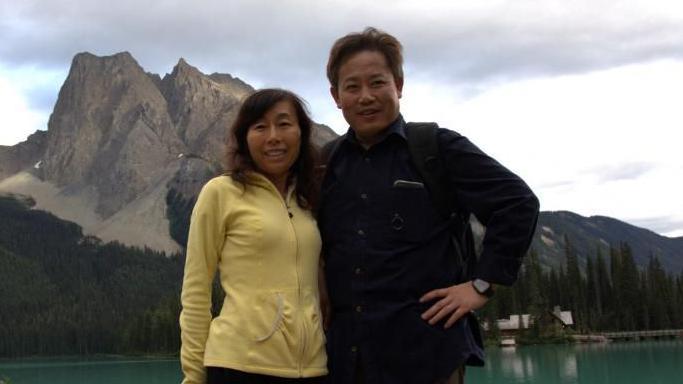
Chen Youlin, 54, was arrested in November 2024 during a family visit to Beijing, according to the hostage‑advocacy group Global Reach. The family released a statement after failing to see him released.
His wife, Rong Yufang, also a seismologist, says the allegations are "wrong and inconsistent with the public and collaborative nature of the work that he has done". She notes that Chen had worked closely with Chinese colleagues on projects that were transparent to the international scientific community.
Chen’s research focused on North Korea, a close ally of China that is subject to nuclear‑weapon sanctions. He has published studies using seismic data to detect underground tests and estimate yields.
China’s foreign ministry said it handles cases "in accordance with the law" and rejected the notion of wrongful detention. Espionage convictions in China can lead to life imprisonment or the death penalty.
UNIQUE U.S. policy lists Chen as the only American citizen deemed "wrongfully detained" by the Chinese authorities.
Rong said she has not spoken to her husband for over 600 days and is concerned about his health. In a Reuters interview, she said Chinese authorities interrogated him more than 100 times and denied him legal representation for 13 months.
He became a U.S. citizen in 2011; he lives in Boston, Massachusetts. His expertise in seismic detection of nuclear tests was funded by U.S. agencies, but he claimed his work with China was "transparently" collaborative.
The FBI and other U.S. intelligence agencies suspect that his arrest may be linked to China’s alleged clandestine nuclear tests that violate the Comprehensive Nuclear Test Ban Treaty. They argue that his knowledge could help China develop counter‑detection measures.
The treaty bans all nuclear explosions on Earth, though the U.S. and China, among other states, never ratified it outright and maintain voluntary moratoriums. In June 2020, the Trump administration accused China of a covert test at Lop Nur, which Beijing denied.
U.S. Senator Edward Markey, a Massachusetts Democrat, urged Beijing to release Chen, saying the detention harms U.S.-China partnership and discourages scientists from engaging with colleagues in China.
Details of Chen’s detention followed the arrest of another U.S. scholar, Min Zin, director of a Myanmar‑focused think‑tank. Beijing accused Zinn of espionage and endangering national security.
For more context: More on Min Zin’s arrest.