In brief
Mozambique is reeling from unprecedented flooding, resulting in significant displacement and damage across the southern region. Rescue efforts are ongoing, with international aid teams assisting local authorities. Over 650,000 people are affected, and the toll, including 12 confirmed deaths, continues to rise as community leaders advocate for the safety and needs of displaced families. Eyewitness accounts reflect the urgency and desperation of those who have lost homes and livelihoods.
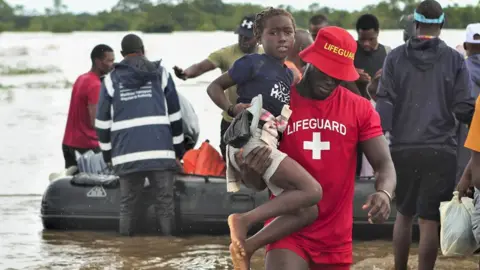
Tens of thousands of people in Mozambique are being rescued as rising waters continue to devastate the southern African nation—termed the worst flooding in a generation. Teams from Brazil, South Africa, and the UK are joining local rescue operations.
Eyewitness Tomaz Antonio Mlau, a mechanic, described this calamity, saying, For me, this is the first time I have experienced a calamity of this magnitude. Elders say a similar disaster took place in the 1990s. His account illustrates the gravity of the situation across communities.
Families are in dire need of help after having to flee from submerged homes. Mlau's family, for instance, abandoned their house after the Inkomati River overflowed. They were rescued by boats, leaving everything behind but a change of clothes.
Approximately 4,000 individuals have found refuge in six makeshift centers, primarily located in schools and churches. Francisco Fernando Chivindzi, a 67-year-old farmer, reported losing everything to the floods, including livestock and possessions. Such sentiments are increasingly common as the scale of flooding overwhelms many regions.
As the disaster unfolds, concerns grow regarding additional rainfall and dam releases from South Africa impacting the already treacherous situation. Despite ongoing rescue efforts, many affected individuals remain reluctant to leave their homes, complicating rescue operations.
Public officials are responding to the crisis, with announcements about rescheduling the academic year to accommodate displaced communities. The urgency of the matter is reflected in stories from those directly impacted; they emphasize the need to prioritize life over possessions amid such devastating circumstances.
The floods have left many cut off from essential supplies, exacerbating the humanitarian situation. As authorities move to respond to this pressing crisis, the immediate future for thousands remains uncertain in the wake of unprecedented environmental upheaval.