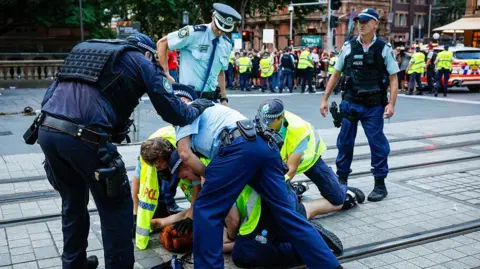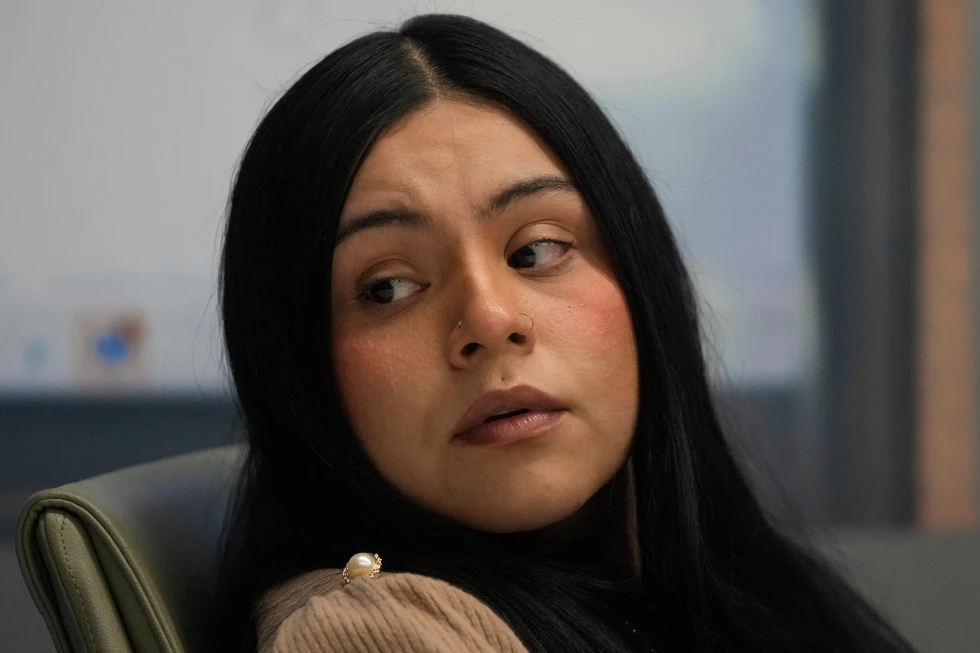
As helicopters circled overhead, sirens descended on her suburb, and people ran screaming down her street on 14 December, Mary felt a grim sense of deja vu.
That was when I knew there was something seriously wrong – again, she says, her eyes brimming with tears.
Mary - who did not want to give her real name - was at the Westfield Bondi Junction shopping centre last April when six people were stabbed to death by a man in psychosis, a tragedy still fresh in the minds of many.
Findings from a coronial inquest into the incident were due to be delivered this week, but were delayed after two gunmen unleashed a hail of bullets on an event marking the start of the Jewish festival of Hanukkah eight days ago.
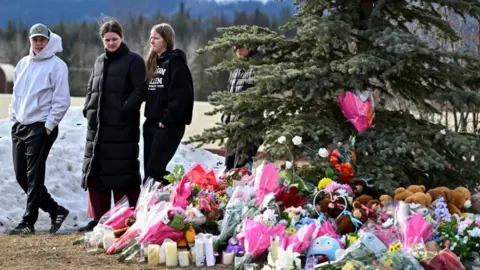
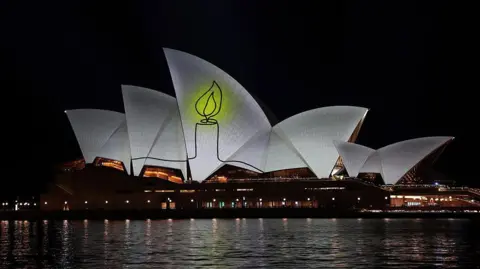
Declared a terror attack by police, 15 people were shot and killed, including a 10-year-old girl who still had face paint curling around her eyes.
The first paramedic to confront the bloody scenes at the Chanukah by the Sea event was also the first paramedic on the scene at the Westfield stabbings.
You just wouldn't even fathom that something like this would happen, 31-year-old Mary, who is originally from the UK, tells the BBC. I say constantly to my family at home how safe it is here.
This was the overarching sentiment in the days following the shooting. This kind of thing, mass murder, just doesn't happen in Australia.
But it can and it has – twice, in the same community, within 18 months.
Bondi is Australia's most famous beach - a globally recognised symbol of its way of life.
It's also a quintessential slice of Australian community. There's a bit of everyone knows everyone - and that means everyone knows someone affected by the 14 December tragedy, mayor Will Nemesh told the BBC.
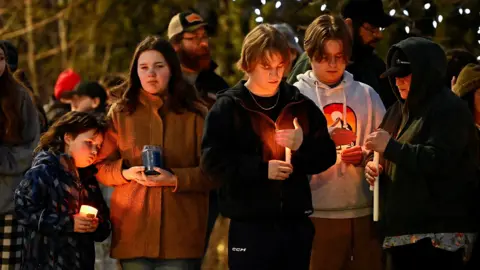
The shooting triggered a massive outpouring of support from around the nation, with lifeguards, local businesses, and volunteers coming together to help.
Amidst the sorrow, discussions around antisemitism, mental health, and community safety are raising urgent questions about the future.