In brief
Three children drown each day in India's Sundarbans, exacerbating the perilous living conditions in this water-dominated region. Heartbroken mothers are now spearheading community efforts to prevent such tragedies, setting up makeshift creches and promoting awareness about safety practices.
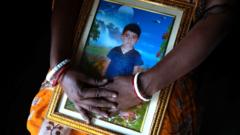
In the heart of India’s Sundarbans, where water is both life and death, a tragic phenomenon claims the lives of three children every single day. Mangala Pradhan, one of countless grieving mothers, recalls the harrowing day she lost her one-year-old son, Ajit, 16 years ago. His innocent exploration of their home led him to a pond where he tragically drowned. In response to these heartbreaking outcomes, a group of mothers have risen together to create change. They travel to two makeshift creches set up by the Child In Need Institute (CINI) in their community. These mothers now serve as caretakers for approximately 40 children while their parents work, helping to safeguard children from the unrelenting dangers posed by ponds—a common feature in this delta region.A 2020 survey from the George Institute and CINI underlines the dire state of child safety in Sundarbans. It indicated that nearly three children aged one to nine drown daily here, with a marked increase during the monsoon seasons. The majority of drownings occur while caregivers are occupied with daily household chores. Without immediate access to licensed healthcare services, the situation remains precarious, compounded by a landscape rich with water hazards and unpredictable weather patterns worsened by climate change.Sujata Das is among those mothers advocating for change. After her 18-month-old daughter Ambika drowned earlier this year, she has galvanized community efforts to take preventative measures, such as fencing ponds and educating neighbors on CPR. Despite these initiatives, ingrained superstitions surrounding water dangers pose barriers to safety advancements.Local leaders emphasize building resilience in these communities. Over the past two years, about 2,000 villagers have received CPR training, credited for saving lives. Yet the most effective long-term changes stem from establishing creches and altering community perception towards water safety.Efforts underway in Bangladesh offer a paradigm for inspiration. There, the introduction of wooden playpens helped significantly reduce drowning deaths, leading to a community push to implement similar preventive measures in the Sundarbans.According to the World Health Organization, drowning remains a pressing global crisis, claiming over 300,000 lives annually. In India, official records indicate approximately 38,000 drowning deaths in 2022, but actual numbers are likely much higher. As these relentless tides of grief wash over the Sundarbans, mothers like Kakoli Das, who lost her son when he wandered into an overflowing pond, are ardently calling on their fellow parents for awareness and action. “Please, I beg every mother: fence your ponds, learn how to revive children, and teach them how to swim. This is about saving lives. We cannot afford to wait,” she pleads.These creches illuminate a path of hope amidst despair, proving that with perseverance, the community can work together to create a safer environment for its children.