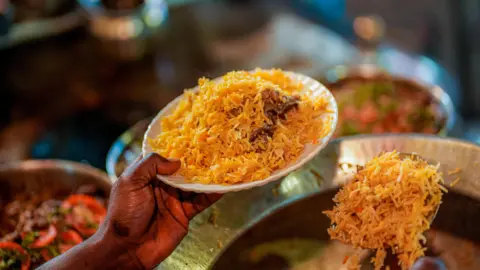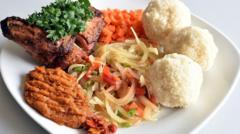
Ivory Coast's treasured staple food, attiéké, has been officially recognized by Unesco as an intangible cultural heritage, solidifying its status as a significant part of the nation’s culinary and cultural landscape. Pronounced “atchekay,” attiéké is a unique couscous variant made from fermented cassava flour. Cherished by locals, it is commonly enjoyed at any meal of the day, especially paired with grilled fish.
Ramata Ly-Bakayoko, the Ivory Coast representative at the 19th session dedicated to safeguarding intangible cultural heritage held in Paraguay, emphasized the food's integral role in the lives of many. Originating from coastal regions of Ivory Coast centuries ago, attiéké has become popular throughout West Africa. Traditionally prepared by women and girls, making attiéké requires several meticulous steps over a few days, showcasing the skill and traditions passed down through generations.
Typically served at various ceremonies such as weddings, baptisms, and funerals, attiéké is more than just a meal; it connects cultural identity, reinforcing the notion that it is a vital aspect of Ivorian heritage. This recent recognition by Unesco highlights the importance of preserving such traditions amidst global change.
The inclusion underscores the need to protect at-risk cultural practices and acknowledges traditions not only as culinary art but as vital to community identity. The registration of attiéké onto the Unesco list has sparked renewed conversations about its origins and rightful place in the culinary landscape, especially after past controversies regarding international recognition of the dish.
With a collective trademark established earlier this year to protect the attiéké name from misuse, Ivory Coast seeks to safeguard its cultural legacy firmly rooted in the dish. As attiéké gains international fame, its story reflects the profound connections between food and cultural identity across generations, embodying the spirit of Ivory Coast itself.