Australia's Gun Control Challenge: Bondi Shooting Unveils Complications
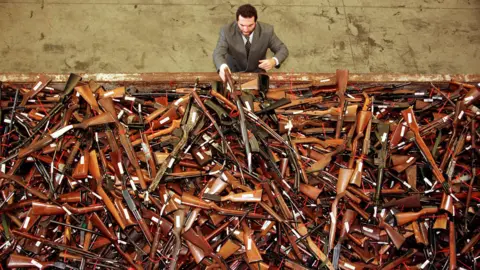
It was a Sunday afternoon in April 1996 when a lone gunman armed with semi-automatic rifles killed 35 people in the Australian tourist town of Port Arthur. The massacre almost 30 years ago, which ushered in some of the strictest gun laws in the world, feels like a bygone age for many Australians.
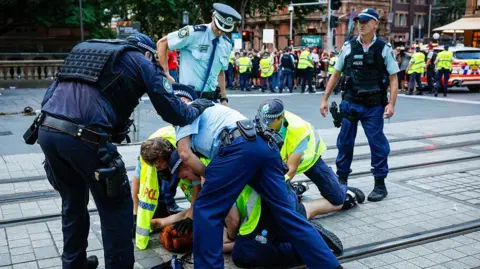
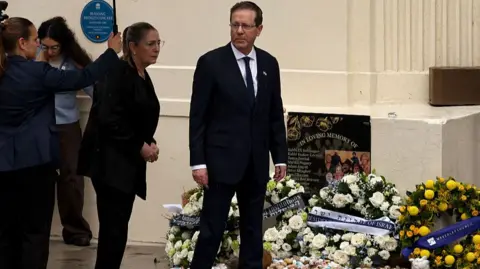
However, the recent attack at Bondi Beach, which left 15 dead, has reignited memories of that tragic event. Leading gun control advocate Roland Browne expressed deep concern over the attack, emphasizing the striking similarities between the two incidents.
Despite Australia's reputation for strict gun regulations, a report by the Australia Institute revealed a significant rise in privately-owned firearms. This poses questions about the efficacy of the existing laws and the need for urgent reforms.
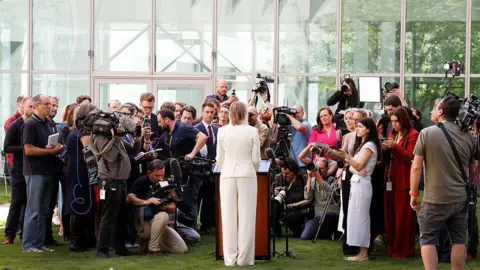
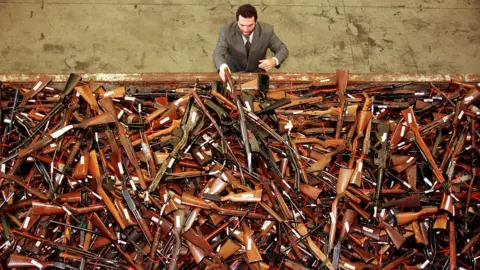
The Prime Minister and other leaders have indicated a collective push for tighter gun controls in light of recent events, including a proposed national buyback scheme aimed at removing firearms from circulation.
Gun ownership continues to rise, particularly among those who hold multiple firearms, raising alarms among advocates who underline the importance of stricter ownership regulations.
Historically, Australian gun laws were tightened significantly following the Port Arthur shooting. Yet, decades later, critics say loopholes and varying state laws have allowed for a proliferation of firearms, prompting a urgent call for a reevaluation of the standards adopted in 1996.
With the tragedy at Bondi Beach serving as a grim reminder, community leaders and advocates call for continued conversations to ensure that public safety remains the priority in a country once seen as a beacon for gun control.