In brief
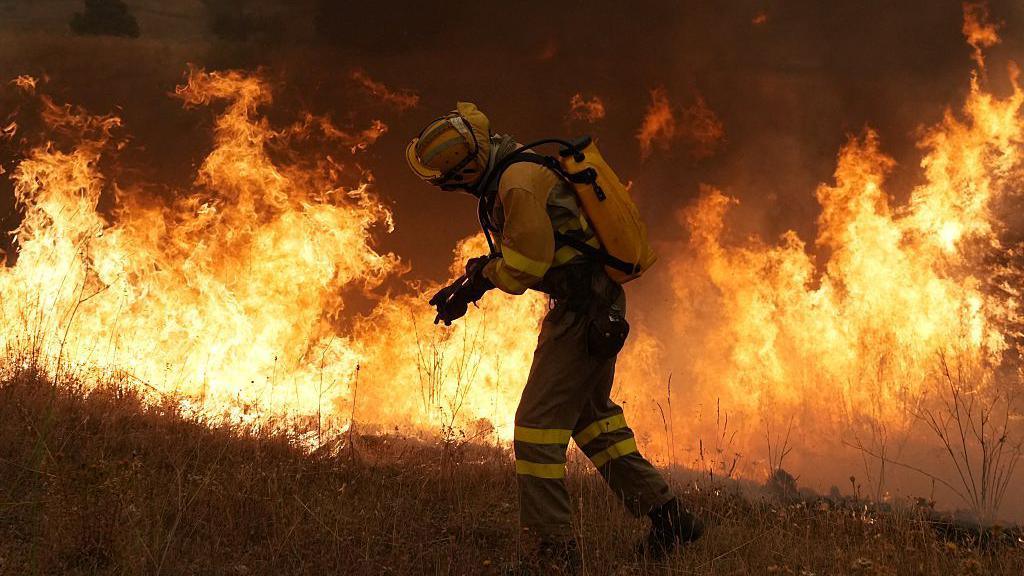
China’s wildfires echo those in Australia’s bushland and prove frantic that knowledge of fire can save lives. Canberra meteorologist‑turned‑bushfire‑governor Marta Yebra fuses satellite imagery with Indigenous fire‑mannered practices to map foe zones. Old‑world cool‑burns rolled through elders’ hands to tame future fuel. So‑called backburning, drones, and AI in the New South Wales Rural Fire Service echo this synergy. Experts urge cross‑border teams to share fail‑proof lessons, especially as El Nino inches nearer and Europe's flames swell.
The cluster of European blazes reminds Professor Marta Yebra of her native Canberra, where she has built a fire‑research hub that blends satellites, drones, AI and ancestral fire‑tactics. From the Black Summer of 2019‑20, when Australia lost a territory larger than the UK, her team started mapping “fuel moisture content” via orbiting cameras—fuel cues like dry leaves or bark that signal a future blaze. The raw data alone was useless without an on‑the‑ground interpretation. That’s where Indigenous elders and fire‑fighters like Adrian Webster come in: they translate the planet’s science into a living fire map, letting crews see where a fire will ignite, grow, or die.
From Outer Space to Underground
Yebra’s work marries orbital fuel‑reports with Webster’s ground‑truthing. By drilling deeply and noting plant colours, scents, and the presence of natural fats or water, Webster confirms satellite spots and improves the predictive model. He explains, “The satellite points to an area full of fuel, but the elders explain whether that fuel can actually ignite without a spark.” Their collaboration suggests a “remarkable agreement” between data and everyday observation, hinting at how Indigenous knowledge can contextualise modern analytics.
Lessons for Europe
Battling Europe’s current Europe‑wide crisis, Yebra says, Australia’s practice of “cultural burning”—controlled, slow, hot, purposeful blazes—could reduce fuel build‑up and keep fire size manageable. She stresses that the longer a region sits idle, the bigger a wildfire will be. Webster notes the 60,000‑year history of cooling fires: “We burn, we keep fuel minimal.” These same tactics, now called prescribed burns, are published by the New South Wales Rural Fire Service.
Fire as Friend, Not Just Foe
Australasia has traditionally used fire to reconnect spiritually with the land, making it safer. Jean Heffernan of Victoria’s State Authority says “framing a fire as a friend helps communities manage risk instead of just reacting.” He stresses the need for global networks of aid as Australia does with Canada and the U.S.; Europe is forming new alliances.
The EU’s current heatwave—fueling a worst‑ever season—has prompted France to call for Australian expertise. jointly, the experts share information on backburning, UAVs, and AI analytics. The field seeks to respond before a fire’s momentum escalates, as Dal‑ex stresses: “Once you see a fire enter the ground, you need to beat with water on fuel, sod and landscape.”
The Summer Ahead
El Nino haunts forecasts for a sizzling summer. Yebra was quoted describing the next fire season as “bad.” Indeed, regional forecasters predict high drought and heat which, with more west wind and mosquito- grass pockets, will increase the probability of blazes.
Heffernan points out that fuel build‑up in our environment is natural, which forces Australia into a combat strategy that signifies teamwork. They need early real‑time alerts, better resource allocation, and continuous technology upgrades—as described by Fire‑NSW’s Trent Curtin who notes drones can set fire‑camp on a “lightning‑fast” timeline and stretch supply lines.
In the coming months, the policy debate centers on liberation of Indigenous eldership, cross‑border contracts, and cutting down the last “no‑hot‑ground fire region” and situate it in “burn‑and‑percentage” category. The word of unity: “We must have a global platform for sharing knowledge, resources and modern fire‑techs to protect the planet.”